

How long do semaglutide side effects last is determined by the drug’s pharmacology, its dose escalation schedule, and its average one-week elimination half-life. Because semaglutide reaches steady state only after four to five weeks on a stable dose, gastrointestinal effects such as nausea, vomiting, diarrhea, and constipation are most common and typically occur during each dose increase, then decline as plasma levels level off. Most short-term semaglutide side effects resolve within days to several weeks, but if you experience persistent or severe symptoms, call your doctor right away. Semaglutide injections have been associated with stomach paralysis, ileus, gallbladder issues, sudden vision changes, and a range of other catastrophic, irreversible injuries.
If you’re experiencing persistent side effects from semaglutide or have concerns about its safety, tell your doctor about your health concerns immediately. Your doctor may suggest reducing your dose. If you’ve suffered severe injuries after taking semaglutide, consult your doctor or pharmacist, then contact a Texas GLP-1 drug injury lawyer for a free consultation. Call 713-622-7271.
How Long After Semaglutide Injection: Side Effects By Brands of The Same Drug Class

Ozempic Side Effects: How Long Does It Last?
So, how long do Ozempic side effects last? The side effects of Ozempic last based on the time it takes to reach steady levels in the bloodstream while your body adjusts to the medication. Because each mg dose of Ozempic remains active for a few days, nausea, vomiting, diarrhea, constipation, bloating (Ozempic face), and appetite loss often appear after receiving Ozempic or a dose increase and usually improve within a few days to a few weeks. Most symptoms lessen once the dose is stable for four to five weeks. However, like other drugs, Ozempic can cause side effects that are more severe, such as pancreatitis or kidney problems. Patients taking Ozempic treatment, talk with your doctor immediately if the Ozempic semaglutide injection causes dehydration, gallbladder irritation, or pancreatitis. It’s been reported with Ozempic that in rare cases, Ozempic can cause gastroparesis, or stomach paralysis. However, these side effects of Ozempic are much more common than drug manufacturers and the Food and Drug Administration FDA are reporting. These are just a few of the bad side effects of Ozempic. There are also mental health side effects of Ozempic.
If you experience side effects with Ozempic, including severe abdominal pain or swelling of your mouth, tongue, or throat, repeated vomiting, fainting, trouble breathing, severe dehydration, or any side effect of Ozempic that rapidly escalates, call 911 and let the operator know Ozempic is used.
While the GLP-1 receptor agonists, the exact drug class as Ozempic, may cause weight loss and help with regulating blood sugar, the side effects that Ozempic can cause are also severe and permanent in some cases. If you’re taking Ozempic, talk with your doctor to ensure that treatment with Ozempic is something you want to continue. Stopping Ozempic and switching to an Ozempic alternative may be better for your situation.
If you experienced severe side effects of Ozempic, contact a Texas Ozempic lawsuit attorney to determine which side effects Ozempic patients can pursue compensation for.
How Long Do Wegovy Side Effects Last?
Like Ozempic, semaglutide medication, Wegovy varies depending on how the patient’s body adapts. Semaglutide side effects like nausea, vomiting, diarrhea, constipation, and stomach pain usually appear after each dose increase and improve within several days to a few weeks as drug levels stabilize. Most side effects lessen once a patient has been on the same dose for four to five weeks, while persistent or worsening symptoms can signal dehydration, gallbladder issues, or pancreatitis and require talking to your doctor about how much your dosage is.
Similar to Ozempic, semaglutide injection patients can also file lawsuits for serious health issues sustained by Wegovy. Contact a Texas Wegovy lawsuit attorney to discuss your case.
How Long Do Rybelsus Side Effects Last?
Rybelsus side effects are influenced by its daily oral absorption pattern and slower gastrointestinal adaptation. Nausea, bloating, reflux, and altered bowel habits are most common during the first days to weeks of therapy or after a dose change. Because Rybelsus reaches steady state more quickly than injectable formulations, many patients see symptoms ease within one to three weeks, but continued or intensifying effects after dose stabilization warrant assessment for intolerance or secondary complications. Similar to Ozempic, semaglutide users can file claims for severe health problems caused by Rybelsus. Contact a Texas Rybslsus lawsuit attorney to determine your legal options.

What are Semaglutide Side Effects?
Like any drug, semaglutide can cause a range of side effects, with some of the most common being gastrointestinal issues such as nausea, vomiting, diarrhea, and constipation. Other possible side effects include abdominal pain, decreased appetite, and fatigue.
More serious side effects can occur, including pancreatitis, gallbladder disease, kidney problems, and an increased heart rate. There is also a risk of thyroid tumors, which has led to an FDA boxed warning. Patients undergoing Ozempic treatment should discuss potential risks with their healthcare provider and be monitored regularly.
U.S. Food and Drug Administration Boxed Warning on Ozempic and Semaglutide
Recently, studies have linked semaglutide to the development of thyroid C-cell tumors. This has led semaglutide medications like Ozempic to receive a boxed warning from the Food and Drug Administration (FDA), which is the most serious warning issued by the FDA.
Additionally, the FDA has warned consumers of potential counterfeit semaglutide medications, which may contain the salt forms of semaglutide, which have not been approved for use by the FDA.
How Long After Semaglutide Injection Do Side Effects Start?
Wegovy, Rybelsus, and Ozempic semaglutide injection patients can expect side effects of the subcutaneous injection to begin after one to three days. Side effects like nausea, vomiting, diarrhea, constipation, bloating, and hunger loss often appear as levels rise during that window, especially after a dose increase.
Semaglutide Long-Term Side Effects
Semaglutide long-term side effects relate to how GLP-1 receptor agonists affect the digestive system, blood sugar levels, and weight over time. Most people experience mild side effects that go away within a few days as the body adapts, but certain Wegovy, Rybelsus, or Ozempic side effects may persist depending on dosage, health, other medications, and factors such as dehydration and whether or not the patient eats foods with a high water content.
Gastrointestinal side effects, including nausea, vomiting, diarrhea, constipation, gas, gas or burping, abdominal pain, and delayed stomach emptying, are the most common side effects. Some patients experience dizziness, blurred vision, fatigue, changes in sense of taste, hair loss, or significant weight loss. When semaglutide is combined with insulin or other diabetes medications, it can cause low blood sugar, so it is important to treat low blood sugar quickly and consult your doctor about how much medication you take to prevent hypoglycemia. Kidney problems, intestinal blockage, intestinal obstruction, diabetic retinopathy, and cardiovascular issues may occur in rare cases and require medical attention.
The Food and Drug Administration includes a boxed warning. Thyroid C-cell tumors and medullary thyroid carcinoma are on the warning from the Food and Drug Administration (FDA). Thyroid cancer and thyroid tumors in humans weren’t originally confirmed. But later effects reported by patients are cause for concern, especially since the effect reported was not really included in the drug manufacturer’s testing.
Anyone with a personal or family history of these conditions should discuss other treatments or different medication options. Serious allergic reactions, including swelling under your skin, mouth, tongue, throat, which can make it hard to breathe, hoarse voice, or widespread swelling, require the patient to call 911 or the local emergency number because these certain side effects can be life-threatening.
Drinking alcohol, dehydration, certain medical conditions, pregnancy, breastfeeding, and interactions with other drugs can increase the risk of serious side effects. Healthcare providers typically review risks and benefits, dosage, and treatment options while monitoring for effects that persist or become severe as patients lose weight, treat type 2 diabetes, or manage obesity with semaglutide.
Users taking Ozempic or other medications that use semaglutide have experienced some serious long-term side effects as a result of the drug. Currently, the long-term implications of Ozempic treatment are unknown, but users may be at risk for serious and lasting side effects, such as:
- Pancreatitis
- Thyroid cancer
- Gallbladder problems
- Gastroparesis
- Ileus
- Blocked intestines
- Kidney problems
- Kidney disease
- Diabetic retinopathy (a form of eye disease)
Some of these medical conditions can be serious or even life-threatening. If you begin experiencing the symptoms of any of these conditions, talk to your doctor or seek immediate medical treatment.
If your loved one has suffered from any of these conditions as a result of semaglutide medications, the Texas pharmaceutical injury attorneys at Reich & Binstock can help you understand your legal options and help you pursue compensation on your loved one’s behalf.
Compounded Semaglutide Side Effects
Compounded semaglutide side effects mirror those of FDA-approved products but carry added risks because quality, purity, and dosing accuracy vary between compounders. Patients can experience nausea, vomiting, diarrhea, constipation, abdominal pain, reflux, fatigue, dizziness, and appetite loss, especially during dose changes. Incorrect concentration or contamination increases the likelihood of overdosing, severe dehydration, hypoglycemia when used with other glucose-lowering drugs, subcutaneous injection site reactions, and unexpected adverse effects not seen with regulated formulations. Any sudden worsening of side effects or reactions inconsistent with known semaglutide profiles requires prompt medical evaluation.
Semaglutide Side Effects: Cancer
Semaglutide has been linked with certain forms of cancer, primarily thyroid cancer. Animal studies have shown an increased risk of thyroid cancer and the formation of thyroid C-cell tumors in rodents treated with semaglutide.
While it is not yet confirmed if semaglutide poses the same risk to humans, the medication is not recommended for individuals with a personal health history of thyroid cancer or a family member with thyroid cancer or thyroid tumors.

Can Semaglutide Cause Depression?
Recently, semaglutide users have reported experiencing symptoms of depression or a worsening of pre-existing depressive symptoms as a result of the drug. While there is little research to support the link between semaglutide and depression, patients have experienced adverse mental health outcomes as a result of semaglutide medications.
Individuals with pre-existing mental health conditions should be closely monitored by a psychiatrist or therapist after they start Ozempic treatment or other semaglutide treatment.
Can Semaglutide Cause Low Blood Sugar?
Individuals who take semaglutide medications may also experience hypoglycemia, or low blood sugar. By mimicking the effects of GLP-1 (glucagon-like peptide-1), semaglutide increases insulin secretion from the pancreas, which can lead to a decrease in blood sugar levels.
This effect is particularly significant in individuals who are also taking other diabetes medications that lower blood sugar, increasing the risk of hypoglycemia. Additionally, individuals on semaglutide are advised not to drink alcohol, since drinking alcohol while on semaglutide can result in dangerously low blood sugar.
Users who take too much Ozempic or semaglutide may also experience severe hypoglycemia as a result of the medication. Individuals with low blood sugar may experience dizziness, sweating, trembling, confusion, weakness, and hunger.
Does Semaglutide Cause Hair Loss?
While there is no clinical link between semaglutide and hair loss, some users have experienced hair loss after the first few months of treatment. This could be a side effect of the medication, or it could be a result of rapid weight loss, which can cause significant hair loss through what is called “telogen effluvium,” or “stress shedding.”
Semaglutide Stomach Pain and When to Talk With Your Doctor
Semaglutide may cause stomach pain as a side effect due to its impact on the digestive system. The medication can lead to changes in gastric motility and digestion, which may result in abdominal discomfort or pain.
Additionally, common gastrointestinal side effects such as nausea, vomiting, and diarrhea associated with semaglutide use can contribute to stomach pain. If you experience severe and debilitating stomach pain as a result of taking semaglutide, talk with your doctor or pharmacist about lowering your dose.
If pain persists, seek medical treatment as soon as possible. Severe abdominal pain could be a symptom of gastroparesis, or stomach paralysis. Some patients on Ozempic and other semaglutide products have suffered from gastroparesis, which has caused them debilitating pain and costly medical bills as a result of emergency medical treatment.
Semaglutide Rash and Allergic Reaction to Semaglutide
A semaglutide rash can occur as a mild or serious allergic reaction. Mild symptoms usually last a couple of days and may improve with cool compresses, proper hydration, and rotating injection sites. Some patients notice skin on the face or other areas becoming irritated or sensitive. Mild allergic reactions can also occur with oral formulations. A serious allergic reaction to semaglutide is one of the less common side effects. However, symptoms of an allergic reaction, including swelling in your mouth, are potentially life-threatening. Call 911 or your local emergency number if you experience a reaction or other more severe side effects.
Serious allergic reactions may also cause serious pain or swelling, cardiovascular changes, or a heart attack. Healthcare providers advise patients to talk about their history, other medications, and prior allergic reactions before starting treatment because certain conditions or drug combinations increase risk.
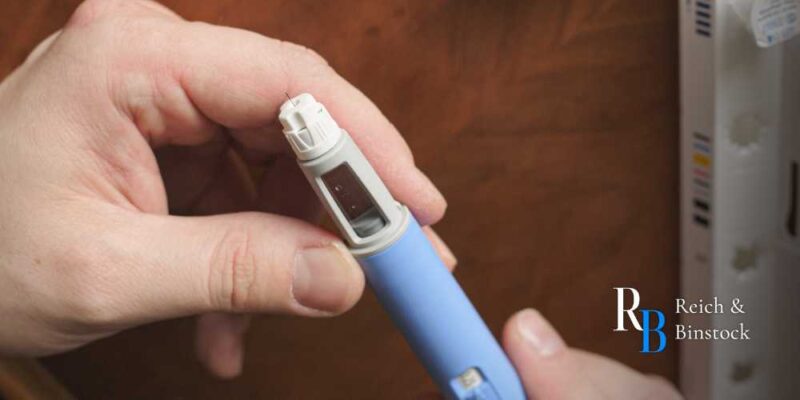
Tirzepatide vs Semaglutide Side Effects
The most common side effects of Ozempic and other semaglutide medications are also possible side effects of tirzepatide drugs, like Mounjaro and Zepbound. The mild side effects typically improve within days or weeks. Both drugs can lead to gallbladder problems, pancreatitis, dehydration-related kidney issues, diabetic retinopathy changes with rapid blood sugar improvement, and, in rare cases, serious allergic reactions. Each carries a boxed warning for thyroid C-cell tumors, making medical history review important before treatment.
If you suffered while taking tirzepatide, consult a Texas Mounjaro lawsuit attorney to discuss your legal options.
How Long Does Semaglutide Stay in Your System?
Semaglutide has a half-life of approximately one week, meaning it takes about one week for half of the medication to be eliminated from the body. However, it may take longer for the medication to be completely cleared from the system, since factors like metabolism and kidney function can affect drug clearance.
Generally, it can take several weeks to a month for semaglutide to be fully eliminated from the body after discontinuation. If you want a more accurate estimate of how long Ozempic will stay in your system, talk with your doctor.
Semaglutide Withdrawal Symptoms
Semaglutide withdrawal symptoms generally reflect the loss of GLP-1 activity rather than true drug withdrawal. When the medication is stopped, appetite typically returns within a few days, blood sugar levels may rise within days or weeks in people using it to treat type 2 diabetes, and weight regain is common because stomach emptying speeds up and hunger hormones rebound. Some patients experience fatigue, increased cravings, upset stomach, or other common mild and serious side effects after they stop taking Ozempic or other medications to treat obesity or type 2 diabetes.
If you’re taking Ozempic or other medications to lower blood sugar levels, stopping Ozempic treatment may raise your blood sugar. It’s important that if you were taking Ozempic to improve your blood sugar, you do not stop taking Ozempic or other medications without talking with your doctor or pharmacist, because this could make your blood sugar change too much. This is potentially life-threatening.
Patients using Ozempic or other semaglutide drugs for weight management will gain weight if they don’t continue eating smaller meals. For any severe symptoms, rapid blood sugar changes, or anything that you believe will affect your health long-term, discuss additional questions with your healthcare provider.
Contact a Semaglutide Lawsuit Attorney at Reich & Binstock Today
Whether you’ve been adversely affected by the most common side effects of Ozempic or if you experienced a less common potential side effect, like gastroparesis, thyroid c-cell tumors, these potential side effects demand accountability. The most common side effects we are seeing from patients filing claims are gastroparesis, ileus, and eye problems.
If you or a loved one has experienced adverse effects from semaglutide medication, such as Ozempic, Wegovy, or a different medication using semaglutide, contact the Houston semaglutide attorneys at Reich & Binstock today. Our experienced pharmaceutical injury attorneys are here to help you understand your legal rights and options, given your unique circumstances.
Call 713-622-7271 or use the contact form to schedule a free consultation with a pharmaceutical injury attorney on our team.