
Zepbound Lawsuit Attorneys - Handling Claims Nationwide
Diabetes & Weight Loss Drug Injuries
Did you take Zepbound and develop stomach paralysis, vision changes, vision loss, intestinal blockages, or other serious health effects?
You may qualify to seek financial compensation for the harm suffered. The Zepbound lawsuit attorney team at Reich & Binstock is actively accepting Zepbound claims nationwide.
Call 713-622-7271 or complete our contact form for a free consultation with our Houston-based personal injury attorneys. We handle every case on a contingency fee basis. There are no fees unless we win.
Are You Eligible to File a Zepbound Lawsuit?
You may qualify to file a Zepbound lawsuit if you:
✅ took Zepbound (tirzepatide) as prescribed for weight loss or diabetes
✅ were diagnosed with gastroparesis, stomach paralysis, bowel obstruction, ileus, or vision loss (NAION)
✅ were required hospitalization, surgery, long-term treatment, or other adverse events
✅ had symptoms that developed after starting Zepbound or a dose increase
✅ have medical records documenting your diagnosis
You do not need a settlement offer or a court date to get started. Contact our Zepbound lawyer team to schedule a free case evaluation. Call 713-622-7271 or use our contact form.
What are the Lawsuits Against Zepbound About?
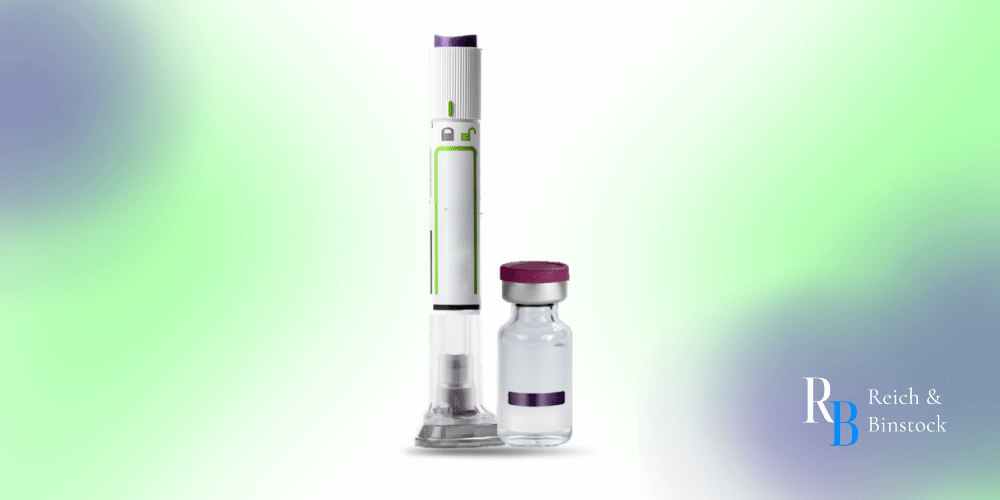
Zepbound is an injectable weight loss drug manufactured by Eli Lilly and Company. The FDA approved the widely prescribed weight loss GLP-1 drug for chronic weight management in obese adults with at least one weight-related condition, such as high blood pressure, type 2 diabetes, obstructive sleep apnea, or high cholesterol. The FDA approval for the prescription drug didn’t cover cosmetic weight loss.
The active ingredient in the weight loss drug Zepbound is tirzepatide. The same compound is found in Mounjaro, also manufactured by Eli Lilly and Company.
The weight loss medication works by slowing the rate at which food moves through the stomach. However, for many Zepbound patients, this caused their stomachs to stop working altogether. This stomach paralysis is a severe gastrointestinal complication called gastroparesis. Patients taking Zepbound also suffered bowel obstructions and permanent blindness.
Personal injury lawsuits allege that Eli Lilly and Company knew about the risks and failed to adequately warn patients taking Zepbound.
In the first nine months of 2025, Eli Lilly’s Zepbound and Mounjaro generated $24.8 billion. This accounts for 54% of Eli Lilly’s total revenue. Despite clinical trial findings, Eli Lilly and Company had a financial incentive to keep the widely prescribed weight-loss drug Zepbound on shelves without adequate warnings.
Patients have every legal right to file a Zepbound Lawsuit. If you’re a Zepbound patient and have suffered serious health issues, our Zepbound lawyers have filed numerous pending lawsuits.
Is There a Zepbound Class Action Lawsuit For Health Complications?
No, there isn’t a Zepbound class-action lawsuit over health complications. Zepbound lawsuits are instead proceeding through multidistrict litigation (MDL) in federal court. However, multidistrict litigation works in favor of Zepbound patients.
| Class Action Lawsuit | MDL (Multidistrict Litigation) |
|---|---|---|
How cases are handled | All plaintiffs merged into one single lawsuit | Each Zepbound patient keeps their own individual case |
Who controls your case | A small group of representatives acts for everyone | You remain an individual plaintiff with your own Zepbound attorney |
Compensation | A lump sum, divided equally among all members | Based on specific injuries, severe injuries recover more |
Can your case go to trial? | Rarely | Yes |
Common in pharmaceutical cases? | No | Yes |
Why Multidistrict Litigation is Better for Zepbound Patients
In multidistrict litigation, each case remains individually active. Any verdicts of settlements are specific to each person’s harm.
So, in practice, a person prescribed zepbound who developed stomach paralysis requiring surgery and ongoing care shouldn’t receive the same compensation as someone who sought immediate medical attention for mild stomach pain and recovered. The GLP-1 drug MDL structure accounts for that.
The Zepbound multidistrict litigation, titled In re: Glucagon-like Peptide-1 Receptor Agonists (GLP-1 RAs) Products Liability Litigation, MDL No. 3094, consolidates pretrial proceedings in the United States District Court. Each plaintiff retains their own Zepbound lawsuit and their own potential to recover compensation.
What The Zepbound MDL Means for Victims
The GLP-1 drug MDL means Zepbound claims benefit from shared discovery. This means Zepbound attorneys are privy to the same expert testimony and scientific evidence against Eli Lilly and Company, while your specific health complications, medical records, and damages determine the settlement in your Zepbound lawsuit.
Patients with the most serious complications: stomach paralysis, surgery, and vision loss, should be paid more.
Do not wait for a class action that is not coming. The right vehicle for filing a Zepbound lawsuit is the MDL.
Contact Reich & Binstock at 713-622-7271 or through our contact form for a free case evaluation. Clients pay nothing unless we win.Zepbound Side Effects That Form The Basis of Lawsuits
Gastroparesis – Stomach Paralysis
- Stomach muscles stop working properly
- Food cannot move through the digestive system
- Up to 60% of patients report GI issues at the highest doses
- Not adequately disclosed on original labeling
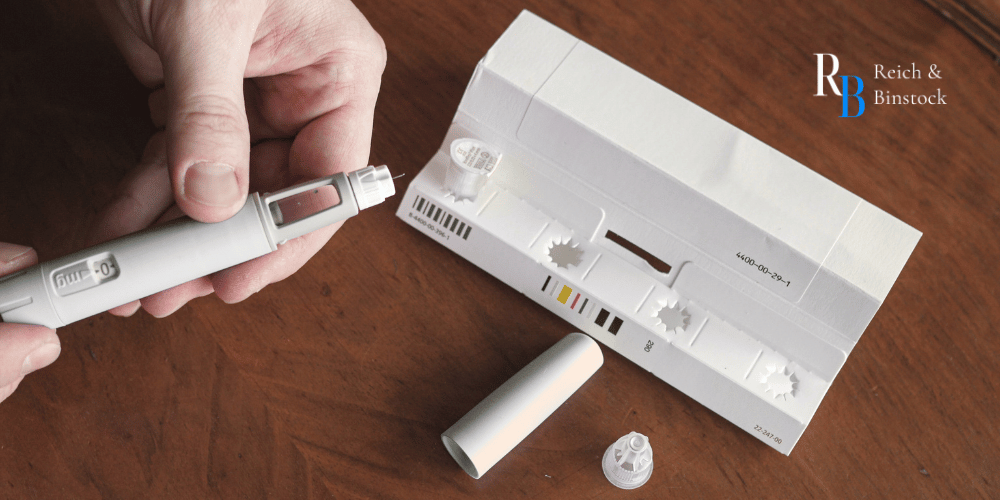
Gastroparesis is the leading injury in Zepbound lawsuits. Patients who took Zepbound suffer from chronic nausea, vomiting, abdominal pain, malnutrition, and an inability to eat normally. There is no cure for gastroparesis.
Plaintiffs allege that Eli Lilly and Company failed to adequately warn people taking Zepbound or physicians prescribing Zepbound about the risk of gastroparesis, ileus, or intestinal obstruction.
Eli Lilly and Company knew about the risks before FDA approval. Their own post-market label updates have since added references to intestinal obstruction and severe constipation. This doesn’t cover the scope of gastrointestinal complications and was added far too late.
To file a Zepbound lawsuit for gastrointestinal complications, you must have medical documentation of a gastric emptying scintigraphy. CT scans, MRIs, and endoscopies are generally insufficient. Our Zepbound attorneys will evaluate your medical records and tell you exactly where your case stands.
Bowel Obstruction, Ileus, and Intestinal Blockages
Many people have suffered bowel obstruction, ileus, and intestinal blockages after taking Zepbound for chronic weight management. Plaintiffs allege that Eli Lilly and Company failed to adequately warn patients and healthcare providers about these risks.
These severe gastrointestinal issues aren’t manageable. They’re life-threatening medical emergencies and form a growing category of Zebound claims in GLP-1 litigation.
Severe gastrointestinal complications that may qualify for a Zepbound lawsuit include:
- Bowel obstruction requiring emergency room treatment or hospitalization
- Ileus: complete cessation of intestinal muscle function
- Intestinal blockage requiring surgery or bowel resection
- Permanent digestive damage
- Wrongful death
To file a Zepbound lawsuit for bowel obstruction or ileus, you must have medical documentation with a confirmed diagnosis of bowel obstruction, ileus, or intestinal blockage. Bowel obstruction and ileus claims don’t require a gastric emptying scintigraphy.
If you or a loved one was hospitalized, required surgery, or suffered permanent digestive damage after taking Zepbound, contact Reich & Binstock at 713-622-7271 for a free case review.
Zepbound Vision Changes and Vision Loss Lawsuit
Eli Lilly’s Zepbound has been linked to permanent vision loss called Non-Arteritic Anterior Ischemic Optic Neuropathy (NAION). There is no cure for NAION.
A JAMA Ophthalmology study found that diabetics taking Zepbound or other drugs using the GLP-1 mechanism were 4x more likely to develop NAION, and obese adults were 7x more likely to develop NAION.
Despite clinical trial findings and the European Medicines Agency adding NAION warnings to GLP-1 drugs in June 2025, Eli Lilly’s January 2026 label update still omits any NAION warning. The Zepbound lawsuit alleges that the gap is clear evidence Eli Lilly and Company knew and chose not to disclose risks to people taking Zepbound and healthcare providers issuing the prescription drug.
Injuries that can qualify for a Zepbound vision loss claim include:
- NAION
- Permanent blurry vision or visual field loss
- Optic nerve damage
- Diabetic retinopathy
- Vision issues requiring ongoing care or resulting in disability
To file a Zepbound vision loss lawsuit, you must have medical records with a diagnosis and a differential diagnosis ruling out other causes. CT scans and general physician notes are insufficient. Our Texas vision loss attorneys will evaluate your medical records and inform you of your options for legal action.
If you or a loved one suffered sudden vision loss after taking Zepbound, contact Reich & Binstock at 713-622-7271 for a free case evaluation.
Thyroid C-Cell Tumors – Can Patients Sue for Zepbound Thyroid Cancer?
The prescription drug carries an FDA boxed warning for the risk of thyroid C-cell tumors, including medullary thyroid carcinoma (MTC). Animal studies show that tirzepatide caused thyroid cancers. A recent study found that patients who took Zepbound or other GLP-1 drugs for 1-3 years were 58% more likely to develop thyroid cancers. But the clinical trial data haven’t translated to established litigation yet.
That distinction matters. There are more legal challenges for Zepbound lawsuits alleging thyroid cancer. However, more Zepbound claims for thyroid cancer are developing.
If you were diagnosed with medullary thyroid carcinoma or C-cell tumors after taking Zepbound, you may have grounds for legal action, particularly in the following situations:
- You were diagnosed with MTC or thyroid C-cell tumors after taking Zepbound and had no prior history of MTC or MEN 2
- Your healthcare provider didn’t screen for contraindications before prescribing Zepbound.
- Your physician didn’t show you any symptoms to watch for.
Zepbound lawsuits alleging thyroid cancer aren’t tied to the MDL. However, our Zepbound lawyers can still help in some cases. If you developed thyroid cancer after taking Zepbound, contact Reich & Binstock at 713-622-7271 for a free case review. Our Texas dangerous drug lawyers will assess your medical records and advise you honestly.
Other Serious Side Effects of Zepbound That Qualify
- Acute pancreatitis
- Gallbladder disease
- Acute kidney injury
- Severe dehydration requiring hospitalization
- Diabetic retinopathy complications
- Suicidal ideation (per FDA boxed warning)
If you suffered any of these injuries after taking Zepbound, call 713-622-7271 for a free case review to determine if you qualify to file a Zepbound lawsuit.

Tirzepatide Lawsuit Update 2026 – Where the GLP-1 Drug Litigation Stands
Date | Development |
|---|---|
November 2023 | FDA approves Zepbound for weight loss |
February 2024 | GLP-1 MDL 3094 created |
May 2024 | Judge Pratter unexpectedly passes away; Judge Karen Marston takes over multidistrict litigation |
October 2024 | |
November 2024 | Expert report deadlines set |
June 2025 | |
September 2025 | Eli Lilly requests the consolidation of vision loss litigation |
September 2025 | FDA issues warning letter to Eli Lilly over false or misleading promotional content |
December 2025 | JPML creates MDL 3163 specifically for NAION/vision loss claims |
January 2026 | Zepbound safety label updated twice for additional warnings |
2026 | Bellwether trials expected; global settlements anticipated to extend into 2027 |
As of March 2026, there are 3,363 pending claims in MDL 3094 against Eli Lilly and other drug manufacturers. MDL 3163, a separate vision loss claim, was created in December 2025. This lawsuit has 28 active cases pending, with more on the way.
Why Eli Lilly and Company Is Being Sued
Multiple legal theories point to the same conclusion: Eli Lilly and Company knew about the safety and risk profile of its weight-loss medication and failed to warn doctors and patients.
Failure to Warn:
Eli Lilly had clinical trial data showing risks of severe gastrointestinal issues before Zepbound launched. After FDA approval, the labeling didn’t adequately disclose the risk of gastroparesis, intestinal blockage, or NAION.
Defective Product Design:
The weight-loss medication’s core mechanism creates a foreseeable risk of gastric paralysis. That risk was not offset by adequate warnings, patient screening, or post-market surveillance.
False and Misleading Marketing:
In September 2025, the FDA issued a formal warning letter to Eli Lilly for false/misleading marketing that downplayed serious health issues while promoting Zepbound for weight loss. The chronic weight management drug was never FDA-approved for cosmetic weight loss to begin with.
Illegal Prescribing Incentives:
The Texas Attorney General sued Eli Lilly for providing unlawful incentives toj7uj8htt medical providers, including free nurses and reimbursement services, to steer prescriptions toward Zepbound and Mounjaro, with many of those prescriptions funded by Texas Medicaid.
CVS Caremark Zepbound Lawsuit:
Legal action was taken against CVS Caremark after the pharmacy benefit manager dropped Zepbound and directed patients to Wegovy, despite the weight loss drugs Zepbound and Wegovy not being interchangeable.
Our Zepbound lawyer team provides assistance for product liability lawsuits in Texas and across the country.
If you were prescribed Zepbound for weight management, contact our Zepbound lawsuit attorneys for a free case evaluation.
Potential Zepbound Lawsuit Settlement Amounts
There isn’t a Zepbound lawsuit settlement yet. The GLP-1 drug MDL is still in pretrial and expert discovery phases, which move through legal challenges in a structured environment.
Bellwether trials are the test cases that drive Zepbound lawsuit settlement negotiations across the entire GLP-1 drug MDL. Once the trials establish how juries respond to the evidence against Eli Lilly and Company, settlement discussions in the Zepbound lawsuit typically accelerate.
Experts estimate that Zepbound claims for severe gastrointestinal complications could reach between $400,000 and $700,000. However, individual personal injury lawsuit payouts depend largely on the extent of medical expenses and documentation.
Our Zepbound lawsuit attorneys can help victims recover compensation for the following:
- Past and future medical expenses
- Lost income and diminished earning capacity
- Pain and suffering
- Permanent disability
- Emotional distress and loss of enjoyment of life
- Wrongful death damages for surviving family members
Call 713-622-7271 for a free case review with our Zepbound lawsuit lawyer group. All cases are handled on a contingency fee basis. Victims don’t owe any legal fees unless we win.
Other Zepbound Lawsuits We Handle
Beyond the GLP-1 drug MDL, our Zepbound lawsuit attorneys also assist with alternative legal actions.

Lawsuits For Compounded Versions of Zepbound – Pharmacy Negligence
During the tirzepatide shortage, pharmacies sold compounded Zepbound. Many patients who couldn’t access the FDA-approved drug Zepbound turned to these alternatives. Compounded tirzepatide isn’t subject to the same FDA approval standards or dosing precision as other drugs under their brand names.
Patients harmed by contaminated, mislabeled, or improperly dosed compounded versions may file Zepbound claims directly against the compounding pharmacy. Compounded Zepbound lawsuits or similar claims for other drugs are separate from or in addition to any legal actions against Eli Lilly and Company.
Our dangerous drug lawyers evaluate pharmacy-related Zepbound lawsuits for patients who suffered serious harm from compounded tirzepatide.
Claims Against Physicians For Negligently Prescribing Zepbound
Physicians have a legal duty to assess the safety and risk profile of each prescription for every patient. They must disclose known risks and monitor for signs of serious health issues.
When a doctor prescribes a weight management regimen to someone with risk factors, fails to warn about potential health complications, or continues prescribing Zepbound or other drugs after signs emerge, this can constitute medical malpractice. These Zepbound claims are independent of any legal action against Eli Lilly and Company.
Our Zepbound lawsuit attorneys handle medical malpractice lawsuits in Texas. Contact our law firm for a free case evaluation.
Wrongful Death Claims for Patients Who Died From Taking Zepbound
When a patient dies from Zepbound-related health complications, whether from gastroparesis, intestinal obstruction, aspiration, or any other drug-related cause, families have a legal right to file wrongful death claims.
Our Zepbound lawyers can take legal action against Eli Lilly, pharmacies, doctors, or any combination of responsible parties. We work to secure compensation for medical bills, funeral and burial costs, future lost income, and grief suffered by families.
If a loved one died while taking Zepbound, you may qualify for a Zepbound wrongful death lawsuit. Contact our Zepbound lawsuit attorneys for a free case review.
Other GLP-1 Drug Cases Our Lawyers Handle
Our GLP-1 lawyers represent patients harmed while taking all GLP-1 drugs. We can assist with the following legal actions:
- Mounjaro lawsuit: Same tirzepatide ingredient as Zepbound; GLP-1 drug FDA-approved to treat diabetes
- Ozempic lawsuit: Largest share of MDL 3094 claims; 4–7x elevated NAION risk in clinical trial findings
- Wegovy lawsuit: Semaglutide FDA-approved for weight loss; same serious health complications as Ozempic
- Rybelsus lawsuit: Oral semaglutide; included in MDL 3094
- Trulicity lawsuit: Dulaglutide manufactured by Eli Lilly and Company; similar gastrointestinal complications
- Saxenda lawsuit: Novo Nordisk GLP-1 drug with concerns of severe injuries
- Victoza lawsuit: Same severe gastrointestinal issues as other medications listed
Evidence Needed for a Zepbound Claim
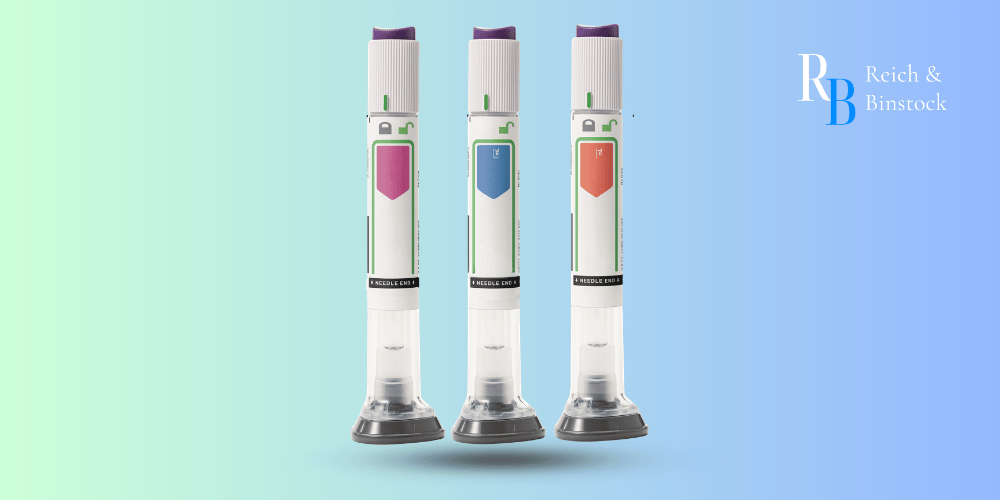
Here is what patients taking Zepbound need to file a Zepbound lawsuit:
- Prescription records confirming you took brand-name Zepbound (tirzepatide)
- Medical records documenting a confirmed diagnosis of gastroparesis, intestinal obstruction, ileus, NAION, or another qualifying injury
- Objective diagnostic testing:
- Gastric emptying scintigraphy (the gold standard)
- ¹³C-Spirulina breath test
- Wireless motility capsule (WMC) studies
- Ophthalmology records for NAION/vision loss claims
- Hospitalization and surgical records documenting treatment required
- A symptom timeline establishing that injuries developed after starting Zepbound or following a dose increase
Note: CT scans, MRIs, and endoscopies are generally insufficient. If your only testing consists of these scans, schedule a free case review with our Zepbound lawsuit attorneys before your filing deadline passes.
Contact a Texas Zepbound Lawsuit Attorney to Schedule a Free Consultation
Eli Lilly and Company allegedly knew about the risks before they submitted the GLP-1 drug for FDA approval. The FDA didn’t do its due diligence, as is common in other drug litigation. Zepbound manufacturer Eli Lilly made tens of billions while patients suffered permanent, irreversible harm.
Our Zepbound lawsuit attorneys have the experience, resources, and determination to fight back.
If you or a loved one took Zepbound and suffered gastroparesis, vision loss, bowel obstruction, or another serious complication, do not wait.
To schedule a free case review, call 713-622-7271 or use our contact form. All Zepbound lawsuits are handled on a contingency fee basis, so you pay nothing unless we recover compensation for you.
There is never a fee unless we recover on your behalf.
Additionally, clients are not obligated to pay expenses if a recovery is not made.