
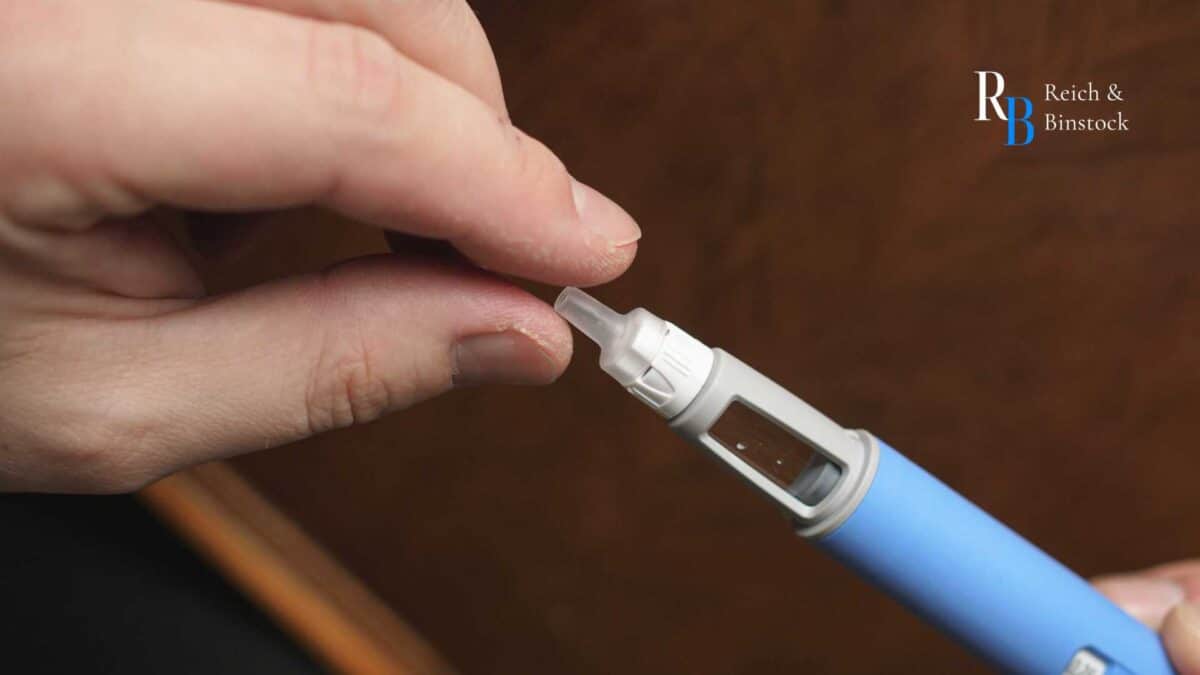
Ozempic alternatives are being studied for their ability to treat obesity, reduce food noise, and control cravings by mimicking the natural incretin hormone GLP-1. Scientists have found in studies that these drugs act on cell receptors to slow digestion and stimulate insulin release. Medical experts recommend careful use, since the reasons for long-term complications are still being studied.
If you or a loved one suffered from Ozempic or an Ozempic alternative, contact our Texas GLP-1 drug injury attorneys by calling 713-622-7271 or filling out our contact form for a free consultation.
What is a Cheaper Alternative to Ozempic?
Scientists have confirmed through double blind studies that medications like Ozempic improve efficacy in lowering blood sugar, reduce food noise, and help patients lose weight. They act on the gut and pancreas by slowing digestion, stimulating beta cell insulin release, and reducing glucagon levels. Scientists have found reasons to recommend them cautiously, as long-term effects on the pancreas and digestive system are still being investigated.
Other GLP-1 medications (same drug class):
- Trulicity: Weekly injection and FDA-approved for type 2 diabetes and heart risk reduction.
- Bydureon BCise: Weekly injection, often cheaper in generic or coupon programs.
- Victoza: Daily injection, older version of the GLP-1 drugs, usually less expensive than Ozempic.
- Rybelsus: Oral medication form of semaglutide, sometimes covered better under insurance.
Non-GLP-1 diabetes medications:
- Metformin: Widely prescribed by healthcare providers, it is an inexpensive first-line treatment for type 2 diabetes.
- Sulfonylureas: Lower blood sugar effectively, usually generic.
- DPP-4 inhibitors (Januvia, Onglyza, Tradjenta, Nesina): Not as potent for weight loss, but sometimes a cheaper option for type 2 diabetes control.
- Insulin: Required for some patients, with generic versions available at lower prices.
For patients taking Ozempic as a weight loss medication, the closest lower-cost option is Saxenda.
Natural Alternatives to Ozempic
Natural Ozempic substitutions focus on regulating blood sugar, weight management, and improving insulin sensitivity without prescription drugs. While none work the same way as GLP-1s, they may support similar goals.
Diet-Related Approaches
- Reduced food intake (deficit of calories, carbohydrates, or Mediterranean diets)
- High-fiber foods (whole grains, legumes, vegetables) to slow glucose absorption
- Lean proteins to stabilize blood sugar
Nutritional Supplements
- Berberine: shown in studies to lower blood sugar and improve insulin resistance
- Psyllium Husks: known for helping patients feel fuller and moderate blood sugar. Evidence on its ability to promote significant weight loss is mixed.
- Curcumin (Turmeric Extract): Some early research, including animal and small human studies, suggests it may boost GLP‑1 levels and aid in weight loss.
- Green Tea Extract: May help suppress appetite, burn fat, and support modest weight loss. Evidence often comes from meta-analyses showing small effects when combined with diet and regular exercise.
Magnesium, berberine, green tea, and Yerba Mate have been said to help suppress appetite, but additional studies are needed. Gymnema sylvestre, fenugreek, and bitter melon are also frequently cited in traditional medicine circles for managing blood sugar. However, high-quality human studies are limited.
Lifestyle Changes:
- Regular exercise and resistance training can improve glucose uptake
- Intermittent fasting or time-restricted eating for reducing sensitivity to insulin and weight loss benefits
- Stress management and quality sleep, which directly affect glucose metabolism
Plant-Based Options Under Study
- Bitter melon: Some small studies suggest it may modestly improve glucose control in type 2 diabetes.
- Fenugreek: Its soluble fiber content may slow carbohydrate absorption, reduce post-meal blood sugar spikes, and help you feel fuller.
- Gymnema sylvestre: It may reduce sugar absorption in the intestine and has been linked to improved insulin response in some clinical studies.
These may help with type 2 diabetes and weight management, but they don’t replicate the potency or mechanism of Ozempic.

Risks of Ozempic Alternatives for Weight Loss or Type 2 Diabetes
The safety of alternatives to Ozempic for weight loss or type 2 diabetes includes:
Other GLP-1 drugs: Carry the same Ozempic effects, like nausea, vomiting, diarrhea, pancreatitis, gallbladder disease, thyroid tumor risk, and possible vision loss (NAION). Other options aren’t always cheaper but still require prescriptions.
Other diabetes medications, like Metformin, Sulfonylureas, DPP-4 inhibitors, or Insulin:
- Metformin is generally safe but may cause gastrointestinal upset and, rarely, lactic acidosis.
- Sulfonylureas can cause hypoglycemia and weight gain.
- DPP-4 inhibitors are less potent, with some cardiovascular concerns.
- Insulin can cause hypoglycemia and weight gain, and requires careful dosing.
Natural supplements:
- Evidence is limited; effects are weaker than prescription medications.
- Supplements aren’t FDA-approved or regulated. Contamination and inaccurate dosing are possible.
- Can interact with prescription medications.
- High doses may cause gastrointestinal distress, liver strain, or other side effects depending on the herb or compound.
Lifestyle changes and more healthy habits:
- Safe for most people when supervised by a healthcare provider.
- These can cause nutrient deficiencies from restrictive diets, hypoglycemia if paired with diabetes medication, or injury if exercise is not appropriate for the person’s overall health.
FDA-Approved Ozempic Alternatives
Wegovy vs Ozempic
Wegovy and Ozempic are both manufactured by Novo Nordisk and have the same active ingredient. Ozempic is FDA-approved for type 2 diabetes. The maximum dose is up to 1 mg per weekly injection. In contrast, Wegovy was approved by the FDA for chronic weight management. Wegovy has a higher dose of 2.4 mg/week. Wegovy is more effective for those on weight loss journeys. It demonstrated more weight loss in clinical trials. Many taking Wegovy lost an average of 15% of their body weight. When used for weight loss, Ozempic patients who were overweight lost 5-10% of their body weight.
However, the higher dose increases gastrointestinal symptoms. 44% of those taking Wegovy experienced nausea, while 20% were nauseous on Ozempic. Both once-weekly semaglutide medications share the same gastric emptying process and similar symptom profiles. However, as a weight loss drug, Wegovy is the preferred choice for those seeking to lose weight over treating diabetes.
If you were injured while taking Wegovy, contact a Texas Wegovy lawsuit attorney for a free case evaluation.
Mounjaro vs Ozempic
Mounjar was FDA-approved to improve blood sugar control in adults with type 2 diabetes. This same medication was submitted under the brand name Zepbount. The FDA approved Zepbound for chronic weight management in adults with obesity or overweight with at least one weight-related condition.
Mounjaro is a dual glucose-dependent insulinotropic polypeptide and GLP-1 receptor agonist. These hormones stimulate insulin release to regulate blood glucose levels. They also help with lipid metabolism, bone strength, and brain function. Clinical trials indicate that Mounjaro is a more effective weight loss medication. Many taking Mounjaro achieved more weight loss (22% in some studies) and better glycemic control
The dual mechanism targets both glucagon-like peptide-1 and glucose-dependent insulinotropic polypeptide pathways. This potentially offers better metabolic benefits. However, the maximum dose comes with higher instances of gastrointestinal side effects. Also, Mounjaro costs around $1,000 more/month than Ozempic.
Mounjaro faces the same litigation challenges as Ozempic. There are over 300 lawsuits against Eli Lilly for gastroparesis and other complications. If you were harmed while taking Mounjaro, contact a Texas Mounjaro lawsuit attorney for a free consultation.
Trulicity vs Ozempic
Trulicity was FDA-approved to:
- treat type 2 diabetes and improve blood sugar in adults (later expanded to include children 10 years and older).
- reduce the risk of major cardiovascular events (such as heart attack, stroke, or cardiovascular death) in adults with type 2 diabetes who have known heart disease or multiple cardiovascular-related chronic diseases.
Trulicity is not FDA-approved as a weight loss medication.
Trulicity was manufactured by Eli Lilly. It offers a longer-acting GLP-1 receptor agonist. It is a weekly injection similar to Ozempic. However, clinical studies in the SUSTAIN 7 trial showed that for blood sugar control and weight loss, Ozempic was better. Those taking Ozempic had greater A1C reductions (-1.5% vs -1.1%) and more significant weight loss (-4.6 kg vs -3.1 kg). While both have adverse events of gastroparesis, Trulicity has more tolerable side effects.
Both medications face legal challenges. Trulicity’s longer market history may make it a viable Ozempic alternative.
If you were harmed while taking Trulicity, contact a Texas Trulicity lawsuit attorney for a free case review.
Zepbound vs Ozempic
Eli Lilly created Zepbound with the same active ingredient as Mounjaro. This was designed to compete directly with the off-label Ozempic weight loss use and Wegovy, which was FDA-approved as a weight loss medication. Zepbound was approved by the FDA for chronic weight management.
When compared to Ozempic, Zepbound’s clinical trial participants showed average weight loss of 20-22% versus the 10-15% typically seen with Ozempic. The dual GIP/GLP-1 receptor agonists provide enhanced mechanisms to suppress appetite. However, this increases the likelihood of severe GI side effects, like stomach paralysis.
Zepbound is approximately $1,060 per month and has limited insurance coverage. It also faces the same litigation challenges as other approved drugs in the GLP-1 class.
If you suffered serious complications while using Zepbound, consult a Texas Zepbound lawsuit attorney for a free initial consultation.
Rybelsus vs Ozempic
Rybelsus is the only GLP-1 oral medication. It contains the same active ingredient as Ozempic but in oral medication form rather than a weekly injection. While being an oral medication is more convenient, Rybelsus works less effectively compared to being injected with Ozempic. Clinical trials demonstrate lower A1C reductions and minimal weight loss.
Rybelsus often exceeds $800-900 per month, while providing less therapeutic benefit than weekly injections of Ozempic. Rybelsus also faces identical litigation regarding gastroparesis and other serious side effects.
If you suffered serious conditions from Rybelsus, contact a Texas Rybelsus lawsuit attorney for a free consultation.
Saxenda vs Ozempic
Saxenda is FDA-approved for chronic weight management. This is an older GLP-1 medication that requires daily injections. This is different from Ozempic’s weekly injection, making Saxenda less convenient. Clinical trials show that for weight loss, Ozempic is better. This may be attributed to patient compliance when taken once a week versus daily. Saxenda patients achieve 5-10% weight loss compared to the 10-15% with Ozempic. Having to take medication each day leads to higher discontinuation rates. The daily dosing also means patients may experience more frequent gastrointestinal side effects. At around $1,300 per month, Saxenda is considerably more expensive.
While Saxenda has a longer track record, it was developed by Novo Nordisk and faces similar lawsuits. If you experienced severe complications, contact a Texas Saxenda lawsuit attorney for a free case evaluation.
Victoza vs Ozempic
Victoza was developed by Novo Nordisk. It was FDA-approved as a GLP-1 medication to treat type 2 diabetes using daily injections. This is older than Ozempic’s weekly injection. In clinical studies, Ozempic participants experienced more weight loss and higher adherence because of the once-weekly versus daily injection requirements. Because of Victoza’s shorter action duration, it produces more frequent but less severe GI side effects. Ozempic’s weekly dosing creates more sustained drug levels but potentially more intense side effects.
When compared to Ozempic, Victoza costs less (around $600-700), but Ozempic generally justifies the price difference for most healthcare providers. Victoza faces the same litigation challenges as other GLP-1 receptor agonists. If you were hurt while taking Victoza, contact a Texas Victoza lawsuit attorney for a free initial consultation.
Phentermine vs Ozempic
Phentermine is a prescription stimulant that’s FDA-approved for short-term weight loss in adults with obesity. Unlike Ozempic, it doesn’t mimic GLP-1 hormones. Instead, it suppresses appetite by stimulating the person’s nervous system. While it helps manage hunger and with initial weight loss, it can cause increased heart rate, high blood pressure, insomnia, and dependence. It is only FDA-approved for short-term weight loss and lacks the metabolism benefits of semaglutide. So, commercially, phentermine is a limited and less safe Ozempic substitute.

“Ozempic Generic Alternatives” and Compounded Semaglutide
Because these versions are mixed by compounding pharmacies instead of being produced under FDA-approved standards, they often lack consistent dosing, quality controls, and testing. Reports include overdoses, contaminated vials, mislabeled ingredients, and, in some cases, 33% less active ingredients.
Another problem is insurance coverage, since most insurers will not cover compounded semaglutide or other compounded GLP-1 products. Patients are often forced to pay full price out of pocket, which can be hundreds of dollars per month, for drugs that carry higher safety risks and no FDA approval.
Compounding semaglutide or GLP-1 medications is only acceptable when the brand-name drug is in short supply. However, many pharmacies continued to distribute compounded drugs after the shortage ended. This has increased FDA oversight.
Novo Nordisk and many injured patients have sued many pharmacies over this. Contact a Texas pharmaceutical injury lawyer to learn more.
“Research Grade” and Off-Label Ozempic Alternatives
Some “providers” offer “research-grade” semaglutide or other GLP-1 drugs that are not FDA-approved for humans. These are distributed under the guise of “lab research” chemicals. However, they’re often injected by patients seeking cheaper weight loss medications, like Ozempic. These all bypass FDA approval.
Similarly, non-brand-name versions promoted as weight loss medications, like Ozempic. However, without adequate testing to ensure they’re safe or effective, any one medication can cause major problems.
Problems With Buying Ozempic Online
Buying Ozempic (or generic versions) is dangerous. Many websites market “generic Ozempic” even though there aren’t any generic versions. Patients who order Ozempic online often receive drugs with no active ingredients, incorrect doses, or unsafe contaminants. Without physician oversight, online ordering increases overdose risk. The Food and Drug Administration and Novo Nordisk have both issued warnings about the dangers of buying Ozempic online.
Side Effects of Many Ozempic Substitutes for Diabetes, Weight Loss, and Food Noise
Ozempic substitutes, whether prescription drugs or natural supplements, carry their own outcomes. Other GLP-1 drugs like Trulicity, Victoza, Rybelsus, and Saxenda often cause nausea, vomiting, diarrhea, constipation, gallbladder disease, and, in some cases, pancreatitis or vision problems.
Unregulated compounded products can have inconsistent dosing or be considered contaminated. This leads to overdoses, kidney damage, or ineffective treatments for obesity or type 2 diabetes. Natural options can cause gastrointestinal upset, interact with other medications, or create unsafe drops in blood glucose.
If you’re taking substitutes for type 2 diabetes, weight loss, or food noise, the effects can be significant without the protections of FDA-approved labeling and physician oversight.
How to File an Alternative Weight Loss Medication or Generic Drug Lawsuit
A Houston personal injury attorney can help you file a lawsuit related to the following and more:
Product Liability Claims
You can file a claim if you were prescribed or purchased a GLP-1 combination, compounded semaglutide, or “generic” version and then suffered a serious injury not properly disclosed by the pharmaceutical companies. Contact a Houston product liability attorney to learn more.
Medical Malpractice in Off-Label Prescribing
Healthcare providers may legally prescribe medications off-label. However, physicians face malpractice claims if this falls below the standard of care. For GLP-1 medications like Ozempic, malpractice can occur if physicians prescribe Ozempic for weight loss without evaluating the medical history, don’t warn of adverse events, or prescribe unsafe or unapproved versions of Ozempic. Claims also occur when providers ignore contraindications, fail to monitor patients, or misrepresent the safety of the prescription medication.
If you were harmed by unsafe prescribing practices, contact a Houston malpractice lawyer.
Lawyers For Class Action and Individual Ozempic Lawsuits Nationwide
Reich & Binstock is pursuing both class action and individual Ozempic lawsuits nationwide for patients who suffered gastroparesis, intestinal blockages, pancreatitis, kidney injuries, vision loss, and other complications linked to GLP-1 drugs. Call 713-622-7271 or complete the contact form to speak directly with our Texas Ozempic lawsuit attorneys.