
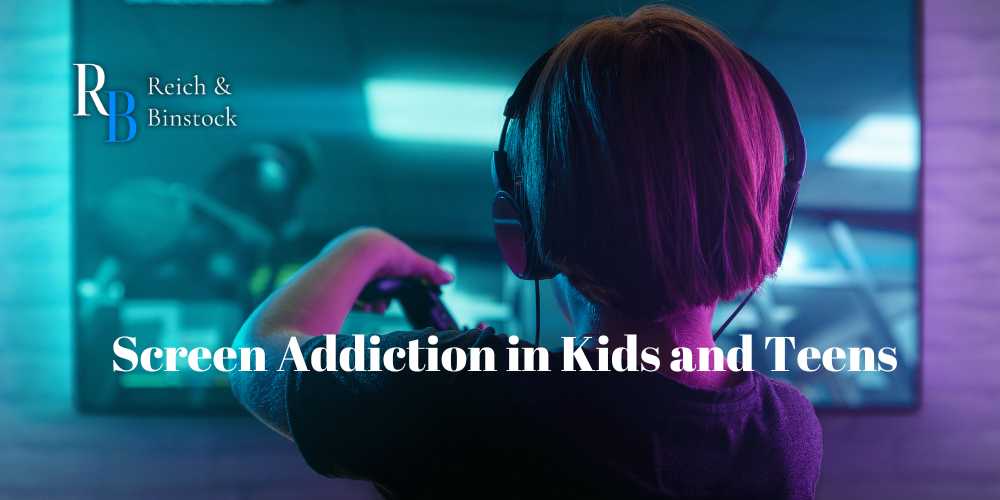
Screen addiction is becoming an increasingly concerning issue for children, teens, and working adults. Use of electronic devices, including smartphones, tablets, and computers, excessive social media use, mobile phone use, and screen time in general, has caused widespread negative side effects for children and adults alike.
Parents who want to introduce social media apps, online games, or even forms of educational programming, it’s critical to recognize when children and adolescents are displaying signs of problematic internet use and screen addiction. As screen activities and daily screen time continue to rise, so do the negative consequences and the need for screen-free times, particularly for young adolescents and kids.
If your child is suffering from internet addiction disorder or another form of screen addiction, our attorneys can help seek compensation and treatment options to help them. Call 713-622-7271 for a free consultation.
What Is Screen Addiction?
Screen addiction refers to the excessive and compulsive use of electronic devices, such as smart devices, computers, and televisions, to the point where it negatively affects daily life. Many children, teens, and adolescents spend too much time scrolling on social media apps, playing video games, watching YouTube or television, or engaging more with online social relationships than in-person activities. While children and adolescents often find enjoyment from endless scrolling and screen activities, the science from adolescent psychiatry experts is clear that too much daily screen time has a negative impact on adolescent brain cognitive development. Too much screen time will have negative consequences on both physical well-being and mental health.
Being exposed to screens during the adolescent brain cognitive development period affects a person’s brain functions and ability to self-regulate. Spending at least four to six hours playing video games or social networking, or behind screens, will eventually cause addictive behaviors. Parents should be aware of the signs of screen addiction and other psychological problems that come with such behaviors.
Types of Screen Addictions
Social Media Addiction and Addiction to Likes and Comments From Social Media Use
Social media addiction occurs when users feel compelled to constantly check, post, or engage in social networking, often at the expense of real-life responsibilities or social relationships. Being addicted to social media use can lead to anxiety, low self-esteem, and disrupted sleep due to constant exposure to notifications, social comparison, and online validation. We represent parents of victims in the following types of social media addiction lawsuits in Texas:
- Texas Instagram addiction lawsuit
- Texas Discord addiction lawsuit
- Texas Snapchat addiction lawsuit
- Texas Facebook addiction lawsuit
- Texas TikTok addiction lawsuit
Video Game Addiction (Internet Gaming Disorder)
Video game addiction is also called internet gaming disorder. For parents of children who play video games, gaming addiction is a growing concern. Excessive screen use while playing video games will result in all of the negative effects of screen addiction. As gaming becomes more immersive and accessible, many adults and children alike spend long hours playing video games, often to the detriment of their actual responsibilities and families. If your child has become addicted to playing video games, reducing screen time and getting professional help is often necessary for lasting prevention of video game addiction.
We represent parents of victims in the following types of video game addiction lawsuits in Texas:
- Steam addiction lawsuit in Texas
- Texas Fortnite addiction lawsuit
- Roblox addiction lawsuit in Texas
- Roblox Discord lawsuit in Texas
- Minecraft addiction lawsuit in Texas
- World of Warcraft lawsuit in Texas
- Grand Theft Auto lawsuit in Texas
- Call of Duty lawsuit in Texas
- Overwatch lawsuit in Texas
Cell Phone Addiction
Cell phone addiction is increasingly common, especially among young adults, due to excessive time spent on mobile devices for social media, video chatting, and other activities. This screen addiction can negatively affect mental health and productivity, as users often lose track of their screen time. Managing the time spent on cell phones and social media is crucial to maintaining a healthy balance.
Internet Addiction
Internet addiction results from too much daily screen time and constant scrolling on social media platforms. Prolonged exposure to blue light from screens, especially cell phones, can disrupt sleep and cause physical harm.
Streaming and Binge-Watching Addiction
Streaming and binge-watching addiction involves excessive consumption of movies, TV shows, or videos for prolonged periods, often interfering with daily responsibilities and sleep.
Online Pornography or Gambling Disorder
Online pornography and gambling addictions involve compulsive engagement with adult content or betting platforms, often despite negative effects. These behaviors can destroy families. Over time, they may lead to emotional distress, social withdrawal, financial problems, and increased anxiety or depression.

Signs of Screen Addiction
Screen addiction symptoms can manifest in various ways, affecting both mental and physical health. Poor performance in school or work, along with sleep disturbances, are common signs of excessive screen time. For children and young adults, spending too much time on digital devices can negatively affect their sleep patterns, leading to poor sleep and even weight gain.
Physical symptoms such as eye strain, headaches, and fatigue are also prevalent among those struggling with screen addiction. Recognizing these symptoms early and managing screen use can help mitigate the negative effects on health and overall well-being.
Physical Health Effects of Excessive Screen Use
Eye Strain and Eyesight Issues
Prolonged screen use leads to eye strain. This is called “digital eye strain” or “computer vision syndrome.” Symptoms of eye strain from using screens for extended periods include blurry vision. This can also result in extra stress in the cardiovascular system, contributing to a lack of blood control.
Headaches and Sleep Disturbances
One of the most noticeable physical symptoms is a disruption of melatonin production. This is the hormone responsible for regulating sleep. The blue light emitted by smart devices, especially before bedtime, interferes with the body’s circadian rhythm. This causes restless nights, poor sleep quality, and sleep disturbances.
Repetitive Stress Injuries
Repetitive stress injuries occur when repeated movements or sustained positions place ongoing strain on the body. Common examples include carpal tunnel syndrome, tendonitis, and nerve compression. A lack of physical activity often compounds the negative side effects of excessive smart device use.
Increased Risk of Obesity
A lack of physical activity increases the risk of obesity and weight gain. Sitting and scrolling or playing video games for hours reduces calorie expenditure. This leads to weight gain and associated physical symptoms, like diabetes, heart disease, and joint issues.
Delayed Motor Development in Young Children
When screen activities are used more than alternative activities, namely physical activities, children suffer from delays in motor skills. Limited opportunities for movement, coordination, and sensory exploration can slow the way children develop fine and gross motor skills. Over time, this hinders balance, strength, coordination, and confidence.
Screen Time and Mental Health
Psychological researchers and the Pew Research Center have noted several mental disorders that result from screen addiction. Too much screen time overloads the person’s brain with constant stimulation. This affects their personality and ability to regulate their emotions.
For children and teenagers, the rapid shift between social media platforms, video games, and constant notifications from engagement can cause difficulty in maintaining attention and concentration, often contributing to mental health issues.
Anxiety, Stress, and Lack of Ability to Control Emotions
Screen addiction is linked to the risk of anxiety and chronic stress. Notifications and pressure to engage keep the brain in a heightened state of being alert. This entertainment interferes with how the body regulates emotion, making it hard to control frustration. Children often struggle to calm themselves down without screen time. This causes emotional outbursts, irritability, and reduced coping mechanisms.
Depression and Depressive Symptoms
Too much screen time has been associated with increased depression and depressive symptoms, especially when smart devices replace in-person interaction, physical activity, and healthy routines. Over time, depression and disrupted sleep patterns linked to heavy screen use may further worsen mood and cause deeper depression.
Social Isolation, Reduced Interpersonal Skills, and Withdrawal Symptoms
Excessive screen time can lead to social isolation by reducing opportunities for social interaction and relationship building. Over time, this may weaken communication skills and empathy. When parents set reasonable limits on screens, some children experience gaming or social media withdrawal symptoms. This can include irritability, anxiety, or restlessness, reinforcing reliance on digital interaction over healthy social engagement.
Irritability, Mood Swings, and Increased Agitation
Constant exposure to fast-paced content, notifications, and online conflicts can overstimulate the brain. So screen time can contribute to irritability, frequent mood swings, and heightened agitation. This can result in quick frustration, impatience, and difficulty managing stress in daily life.
Dependence Behaviors and Addiction Problems
Screen addiction can lead to dependence behaviors and digital addiction problems. Here, the person feels they cannot go screen-free despite the negative impact it has on school, work, personal relationships, or other responsibilities. Over time, limitations or being screen-free may create distress, particularly for children experiencing screen addiction.

Can Screen Time Cause Autism?
The current research doesn’t support a link between screen time and autism spectrum disorder (ASD). Several high‑quality resources have found associations between high levels of screen use and ASD diagnoses. However, ASD behaviors and associations are based on responses from observational data. This doesn’t necessarily prove the psychological link between screen time and autism spectrum disorders. In a study published by JAMA Psychiatry, an initial positive association between screen time and ASD was no longer statistically significant after accounting for publication bias, leaving the evidence inconclusive and unable to demonstrate causation.
PubMed studies show that children with autism show greater interests in screen use than their typically developing peers. This reflects underlying neurodevelopmental differences rather than screen time causing the condition.
ADHD and Screen Time
Researchers state that there’s an association between screen time and ADHD, but no link for cause. Studies show that high levels of screen use predict more severe ADHD symptoms over time. These studies indicate that children with more screen time show increased adverse behaviors, even after accounting for baseline levels. However, this doesn’t prove causation because researchers can’t eliminate other factors.
Meta‑analyses also report a positive correlation between greater screen time and the likelihood of meeting criteria for an ADHD diagnosis
How Much Screen Time is Too Much?
How much screen time is too much depends on a child’s age, developmental needs, and the type of activity. The American Academy of Pediatrics (AAP) recommends the following guidelines for screen time.
- Under 18 months: Avoid screen time except for video chatting.
- 18–24 months: If introduced, choose educational programming and watch together.
- 2–5 years: 1 hour per day.
- 6 years and older: Establish consistent limitations, ensuring screen time does not replace rest, physical activity, homework, or social interaction.
Signs of Screen Addiction in Kids
Signs of screen addiction in kids include an inability to stop screen use, becoming irritable or anxious when separated from devices, and neglecting school, chores, or social activities. Children may spend excessive time gaming, streaming, or on social media apps, often at the expense of sleep or friendships. Other indicators include secretive behavior around devices, frequent lying about usage, and a preoccupation with online interactions or digital content that disrupts daily routines.
Teen Screen Addiction
Teen screen addiction involves excessive use of smartphones, gaming, social media, or streaming platforms that interferes with school, relationships, and daily responsibilities. Teenagers may show irritability, anxiety, or withdrawal when access to devices is reduced and often prioritize online interactions over in-person socialization. Signs include disrupted sleep, declining academic performance, secretive behavior about device use, and a constant need for digital stimulation to feel satisfied or connected.
Warning Signs of Too Much Screen Time: Adults
Excessive screen use can negatively affect adults through weight gain and poor posture. Prolonged exposure to blue light often leads to reduced work output and contributes to eye strain.
Mentally, too much screen time can lead to stress, anxiety, depression, and decreased productivity. At the same time, it can affect family life and relationships emotionally, as adults may become more focused on their devices than on spending quality time with loved ones or their children.
How to Set Reasonable Limits on Screen Time
Parents must set restrictions to help their children avoid screen addiction and other negative consequences of problematic internet use or screen use. The first step is establishing clear boundaries for the amount of time spent using devices for activities like social media, watching television, or playing video games.
Taking a Digital Detox
A digital detox from social media or gaming involves screen-free time. This is an effective strategy to help parents break their kids’ habits of constant scrolling or engaging with smart devices.
Spending time away from digital devices helps reset habits, improve mental health, and promote better sleep and social interactions.
A break from constant screen media, whether for work, social media, or entertainment, can help stop screen addiction. It also helps reduce stress, anxiety, and the impact of blue light on sleep.
Setting Limits on Screen Time
Setting limits on screen time is crucial to preventing screen addiction and ensuring a healthy lifestyle. Establishing clear screen time limits early, especially for children, helps maintain balance between digital media and other activities. Limits reduce the negative effects of screen time, such as poor sleep and physical health issues.
For adults, setting limits around work-related and personal screen use promotes better mental health. By making screen time manageable, families can foster positive habits and a healthier relationship with technology.
The 20-20-20 Rule
The 20-20-20 rule is a simple yet highly effective strategy to combat the negative effects of screen addiction, particularly when it comes to eye strain and blue light exposure. According to the 20-20-20 rule, for every 20 minutes of screen use, the person must include a 20-second break to look at something at least 20 feet away.
The 20-20-20 rule is beneficial for those spending long hours working or studying on computers. This also provides benefits in professional settings, as it helps users stay more productive.
Screen Addiction Treatment Options
Treatment options for screen addiction often involve a combination of therapy and lifestyle changes to help individuals regain control over their screen use. For children and teens, therapy, such as cognitive behavioral therapy (CBT), can address the underlying behaviors and thought patterns associated with screen addiction.
Peer support groups can also be helpful, providing a community of individuals who understand the challenges of excessive screen use. Lifestyle changes, such as designating media-free times and creating media-free locations at home, can help reduce screen time and foster healthier habits.
By integrating these strategies, individuals can break free from the cycle of screen addiction and develop a more balanced relationship with technology.
Professional Help and Therapy
Therapy can be an essential part of overcoming screen addiction, especially for children and young adults. Working with a child development specialist can help address the impact of screen addiction on a young person’s growth and well-being. Therapy focuses on mental health by helping individuals identify the root causes of their screen addiction and develop coping strategies to manage stress and emotional triggers.
Cognitive behavioral therapy (CBT) is commonly used to change unhealthy thought patterns and reduce the compulsive need to engage with screens. By addressing screen addiction through therapy, individuals can regain control of their digital habits and improve overall mental health.
Harm Reduction Through Lifestyle Changes
In addition to therapy, lifestyle changes play a key role in managing screen addiction. Placing consistent limits on screen usage, such as setting specific times for digital media and ensuring media-free zones at home, can significantly reduce excessive screen time.
Incorporating regular physical activity into daily routines not only helps combat the physical effects of prolonged screen use but also improves mental health. Encouraging social interactions that don’t involve screens is equally important, as face-to-face connections help strengthen relationships and promote emotional well-being. By balancing screen time with other activities, individuals can create a healthier, more fulfilling lifestyle.
Contact a Texas Screen Addiction Lawyer For a Free Consultation
If a loved one is struggling with screen addiction in Texas, seek professional help before it gets worse. Screen addiction often has profound impacts on mental health and relationships. Going to therapy and setting reasonable limits on screen use are key to regaining control and improving quality of life.
If screen addiction is affecting your life or the life of someone you care about, contact a social media and internet addiction lawyer at our law firm. We offer free consultations and handle claims on a contingency fee basis.
Call 713-622-7271 to discuss your options and take the first step toward recovery.