
Houston IV Infiltration Lawyers Handling Claims Across Texas






Experienced Texas IV Infiltration Attorney Team
At Reich & Binstock, our Texas IV infiltration lawyers hold healthcare professionals responsible when what should be routine care turns into a preventable disaster. Whether it’s fluid or medication leaking into soft tissue, an unmonitored catheter inserted that caused nerve damage, or an infection that resulted in limb loss, our attorneys leverage expert medical oversight and detailed records auditing to build strong claims. From situations where an IV was in place incorrectly to delayed response when symptoms first appear, we fight for full compensation for your medical costs, lost wages, and lasting harm.
To schedule a free consultation, use our online contact form or call 713-622-7271.

IV Extravasation vs Infiltration
IV therapy comes with a low risk. However, a common complication is IV infiltration. IV catheter insertion is the most common invasive treatment, with an overall failure rate of 35-50%. Infiltration and extravasation are responsible for over 20% of the failures.
Infiltration occurs when non-vesicant saline or drugs, like antibiotics, leak from the vein into the surrounding tissue. Nonvesicant solutions are medications and IV solutions that don’t reduce the blood supply to organs or other parts of the body (ischemia) or the death of organ cells or tissue (necrosis). Leakage may occur with dextrose solutions, antibiotics, or standard saline solution.
Untreated peripheral intravenous infiltration injuries can result in swelling, pain, compartment syndrome, or, in more severe cases, amputation. Both conditions stem from dislodged or improperly placed IV lines and require immediate recognition to prevent lasting harm.
Extravasation occurs when a vesicant drug leaks into the surrounding tissue. This leads to blistering and severe tissue damage. In more severe cases, this can lead to loss of extremity function, and in extreme cases, the patient suffers tissue death or necrosis.
Vesicant Drugs and Chemotherapy Infiltration Injuries
Vesicant drugs and certain chemotherapy agents can cause severe infiltration injuries when they escape the vein and enter the surrounding tissue. These medications are capable of causing blistering, deep tissue damage, necrosis, and permanent loss of function. Injuries often occur when the catheter is improperly placed, becomes dislodged, or early warning signs are missed, making immediate recognition and intervention critical to preventing long-term harm.
IV Infiltration Stages
Infiltration is a known and preventable complication of peripheral IV therapy. The severity of peripheral IV infiltrations is measured in progressive stages that reflect the extent of tissue involvement and risk.
- Stage 0: The IV appears to function normally, and no symptoms are present.
- Stage 1: Skin blanched (pale), edema (swelling) of less than 1 inch in any direction, cool to the touch, with or without pain.
- Stage 2: Skin blanched, swelling of 1 to 6 inches in any direction, cool to the touch, with or without pain or discomfort.
- Stage 3: Skin blanched, translucent, gross swelling of more than 6 inches in any direction, cool to the touch, mild to moderate pain, and possible numbness.
- Stage 4: Skin blanched, translucent, skin tight, leaking, discolored, bruised, swollen, gross swelling of more than 6 inches in any direction, deep pitting tissue edema, circulatory impairment, moderate to severe pain, and signs of possible tissue damage.
What Causes IV Infiltration?
IV infiltration is caused by fluid leaking outside the vein due to problems such as improper catheter placement, a dislodged or unsecured IV line, vein irritation, fragile or damaged veins, high-pressure infusions, or failure to monitor early signs like swelling or coolness at the site.
If the IV catheter isn’t inserted correctly, this can lead to severe complications. For example, the catheter inserted can pierce through vein walls, using an oversized catheter, or inserting a line into weak veins, all of which are situations in which IV fluid may leak into surrounding tissue rather than the bloodstream, leading to infiltration and extravasation.
After IV insertion, when a healthcare provider fails to monitor the IV insertion site, this allows for infiltration and extravasation or other complications. For example, symptoms around the IV site: skin coolness, swelling, or changes in flow, are missed. Without removing the IV promptly, leakage worsens and leads to tissue damage.
When symptoms like pain, redness, or accidental leakage near the IV site aren’t treated by a healthcare professional, the risk of serious injuries escalates, from peripheral intravenous infiltration injuries to tissue damage, tissue necrosis, or other complications. This delay in providing appropriate treatment is the basis for medical malpractice in Texas IV infiltrations.
IV Infiltration vs Phlebitis
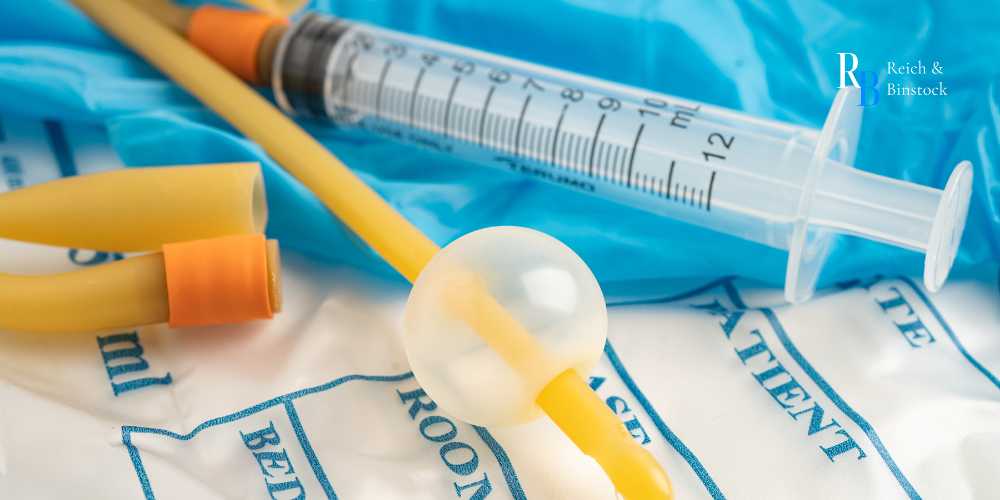
IV infiltration happens when IV fluid escapes the vein and enters the surrounding soft tissue, causing swelling, coolness, and pain. Phlebitis, on the other hand, is inflammation of the vein itself, usually marked by redness, warmth, and tenderness along the vein.
The difference is simple: with infiltration, IV fluids are leaking from the vein, while phlebitis is irritation or inflammation inside the vein. So phlebitis is simply vein inflammation and is one of the most common complications of IV therapy.
There are three types of phlebitis:
- Bacterial Phlebitis: A bacterial infection causes vein inflammation.
- Chemical Phlebitis: The fluids or medications being administered cause vein inflammation.
- Mechanical Phlebitis: The IV catheter or cannula causes vein inflammation.
Infiltration occurs when the cannula dislodges from or perforates the vein, and fluids leak from the IV line into the surrounding tissues. Infiltration becomes hazardous if large amounts of fluid or medication saturate soft tissue, causing compartment syndrome or nerve compression.
IV Infiltration Signs
Healthcare professionals are trained to identify improperly secured IVs. However, it’s important for patients to recognize symptoms to alert a nurse or other healthcare professionals.
Pain, swelling, skin tightness, cool or blanched skin, or a wet dressing around the IV site are all common symptoms that something is wrong. Nurses are required to check intravenous IV sites regularly, watching for changes in the skin or any slowing or stopping of the infusion. Because infiltration and extravasation can result in serious tissue damage, the affected area must be recognized and treated right away. The infusion should be stopped with any signs of infiltration, and the IV line removed, before leaking fluids lead to permanent injury or life-threatening complications.
Serious Complications of Infiltrated IVs During IV Therapy
Air Embolism
Air embolism occurs when air enters the bloodstream through an IV line, traveling to the heart, lungs, or brain and disrupting blood flow. Even a small amount of air can cause sudden chest pain, breathing difficulty, low blood pressure, or cardiac arrest, making this one of the most dangerous IV complications and a clear medical emergency.
Compartment Syndrome Requiring Emergency Surgical Intervention
In extreme cases, IV fluids leaking into the surrounding area cause compartment syndrome. Symptoms of compartment syndrome include tingling or intense pain. The risks for severe complications increase as the affected area swells and the skin tightens. A patient experiencing compartment syndrome needs immediate surgical intervention. Compartment syndrome may cause a delay in treatment for the patient’s original condition.
Surrounding Tissue Necrosis or Amputation
Surrounding tissue necrosis or amputation can result from untreated infiltration and extravasation, especially with harmful medications. As the fluid leaks, the affected area may progress to full-thickness tissue death. In severe outcomes, amputations become the only option to prevent systemic infection, like sepsis.
Scarring, Disfigurement, and Loss of Function
Scarring, disfigurement, and loss of function for the affected limb occur when tissue damage around the IV site heals poorly or involves deep structures like tendons, nerves, or muscle. Patients may be left with visible deformities, intense pain, reduced mobility, or permanent weakness that affects daily activities and quality of life.
Medication Dosing Errors in IV Fluid
Medication dosing errors in IV fluid happen when incorrect concentrations, infusion rates, or medications are administered through the IV line. These mistakes can cause toxic reactions, cardiac complications, organ injury, or ineffective treatment, and often stem from preventable lapses in communication, labeling, or monitoring.
Can You Sue for IV Infiltration in Texas?
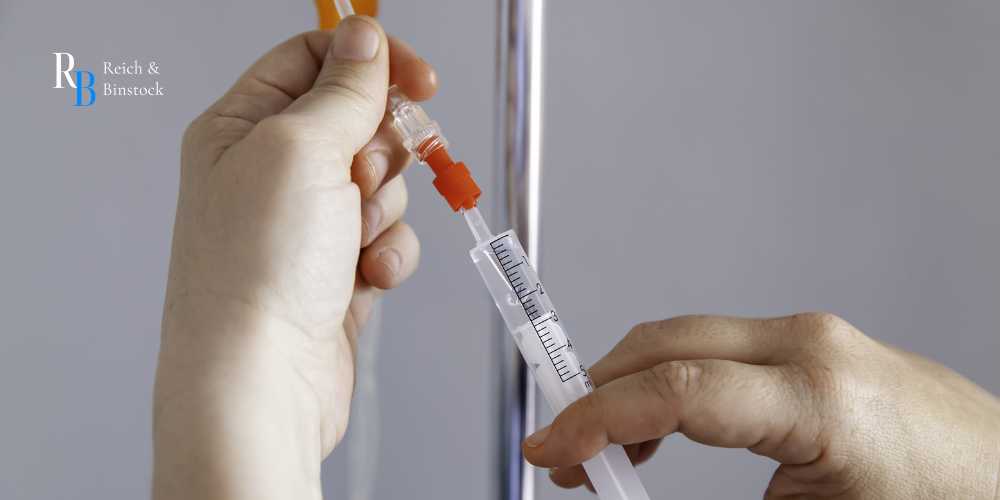
You can sue for IV infiltration in Texas if the injury resulted from medical negligence. There are grounds to sue when infiltration occurs when a nurse, doctor, or other healthcare provider fails to use proper skill, monitoring, or intervention for signs of infiltration, and that failure causes a preventable injury. Texas law allows patients to file IV therapy malpractice claims if IV insertion isn’t performed correctly, for situations involving improperly secured lines, if nurses use unstable veins are used for the IV insertion site, if healthcare professionals don’t monitor the IV site skin, or if clear symptoms like pain around intravenous IV sites, swelling, or skin discoloration are ignored during IV therapy. When a victim suffers from complications, like compartment syndrome, necrosis, serious infection, or amputation, our Texas IV infiltration attorneys can help you seek compensation.
Standard of Medical Care to Keep an IV Site Safe
The Texas medical standard of care outlines what appropriate treatment should look like during IV therapy. This includes:
- Not placing catheter needles in joint sites.
- Using the appropriately sized catheter.
- Following proper procedures during each step of the IV insertion.
Medical staff must also ensure the catheter is not too tight, or it will restrict blood flow.
IV Infiltration Treatment: Hot or Cold
Treatment for IV failures and infiltration focuses on stopping further damage and protecting the surrounding soft tissue. The infusion must be stopped immediately and the catheter removed to prevent additional leakage. Once the IV is out, the site should be carefully assessed for swelling, pain, discoloration, and the size of the affected area to determine the infiltration’s severity. Elevating the affected limb helps reduce swelling and encourages the body to reabsorb the leaked fluid, while warm or cold compresses may be used depending on the type of solution involved. Warm compresses increase blood flow and promote absorption, while cold compresses help reduce early pain and swelling. Severe infiltrations involving vesicant solutions may require specialized antidotes, medication to limit tissue injury, or even emergency surgery when there is significant damage. Throughout treatment, patients should be informed about symptoms to watch for and the importance of immediate follow-up if worsening occurs.
IV Infiltration: How Long To Heal
The healing time for IV infiltration depends on the severity and the type of fluid or medication involved. Mild infiltrations can heal within a few days with elevation and proper IV site treatment. More severe cases, especially those involving vesicant solutions, may take several weeks to heal and require additional surgical intervention or medications to minimize soft tissue damage.
Because delayed treatment increases the risk of permanent tissue damage, the healthcare provider must respond quickly and prioritize patient safety at every stage.
Contact a Texas IV Infiltration Lawsuit Attorney For a Free Consultation
When IVs infiltrate and fluid or medication leaks into the patient’s tissue, the person no longer receives the IV therapy their condition requires. Missing essential medication or fluids can make medical treatment ineffective, cause the condition to worsen, in severe cases, result in amputation or tissue death, or, in extreme cases, cause the patient to die. If you or a loved one were hurt during intravenous therapy, contact our Texas IV infiltration lawyers for a free consultation to discuss your concerns. We have decades of experience and are ready to help.
To schedule a free consultation with a Houston malpractice attorney, use the contact form or call 713-622-7271.
There is never a fee unless we recover on your behalf.
Additionally, clients are not obligated to pay expenses if a recovery is not made.