
Texas Ozempic Lawsuit Attorney
MEDICAL DEVICE & PHARMACEUTICAL INJURY









The Texas Ozempic lawsuit attorneys at Reich & Binstock are assisting victims in filing lawsuits nationwide. Many lawsuits filed against Novo Nordisk and other pharmaceutical companies allege that patients taking Ozempic developed severe gastroparesis and other severe health risks. The semaglutide medication received FDA approval to treat diabetes and lower blood sugar levels, not as a weight loss drug. However, many people taking Ozempic were given the prescription drug off-label to help them lose weight.
Our Texas Ozempic lawyer team is handling claims related to weight loss and diabetes. If you suffered vision loss, gastrointestinal disorders, or other health conditions from taking semaglutide drugs, you may be entitled to substantial compensation.
Contact a Texas Ozempic attorney from our law firm for a free consultation by calling 713-622-7271 or filling out our contact form.
Law Firm Filing Ozempic Lawsuits Nationwide
Reich & Binstock is actively filing Ozempic lawsuits nationwide for patients who suffered severe side effects of Ozempic and other GLP-1 medications. The firm represents clients across the country in complex mass tort proceedings, like the Ozempic MDL, making them a strong choice for individuals harmed by defective or dangerous drugs. If you or a loved one experienced serious side effects, contact a Texas Ozempic lawsuit attorney by calling 713-622-7271 or through our contact form.
Experience in Litigating in Federal Court
The Ozempic lawsuit attorneys at Reich & Binstock regularly handle cases consolidated in federal court MDLs. Their extensive federal practice includes managing discovery, expert testimony, and trial preparation in nationwide drug and medical device cases.
Proven Track Record Against Major Drug Manufacturers
Reich & Binstock has taken on some of the largest pharmaceutical and medical device companies in the world, achieving global settlements and verdicts for patients injured by dangerous drugs, defective implants, and unsafe medical products. Their history of standing up to billion-dollar corporations demonstrates their ability to secure meaningful compensation in complex mass tort litigation.
Medical Experts and Access to Top Specialists
The Texas Ozempic lawsuit attorneys at Reich & Binstock work with highly qualified experts to strengthen cases involving Ozempic and other drugs. These experts evaluate physician records, explain how drug side effects cause harm, and provide expert testimony that connects client injuries to the negligence of pharmaceutical giants, like Novo Nordisk. Reich & Binstock’s network of specialists allows them to present clear, compelling evidence in litigation.
Accepting Cases Across the United States
While based in Houston, Texas, Reich & Binstock accepts Ozempic lawsuits and other pharmaceutical injury cases from clients nationwide. Their mass tort and class action team is equipped to represent patients in any state, ensuring nationwide access to experienced legal representation.
If you’re considering filing an Ozempic lawsuit or for other GLP-1 drugs, contact Reich & Binstock at 713-622-7271 for a free case review.
Ozempic Lawsuit Update 2025 (December)
Multidistrict litigation progresses with pending lawsuits consolidated in the Eastern District of Pennsylvania under Judge Marston (formerly Judge Pratter). There were more lawsuits filed against drug manufacturers, Novo Nordisk and Eli Lilly, for failure to warn claims.
Ozemic Lawsuit Latest News for Multidistrict Litigation (MDL) 3094: Consolidation of Ozempic and Other GLP-1 Drug Claims
December 2023: Judge James Cain, Jr. denied Novo Nordisk’s motion to dismiss in the case of Jaclyn Bjorklund, allowing her failure-to-warn claims and similar lawsuits to proceed while dismissing only the express warranty claims. Plaintiffs’ lawyers filed a motion to consolidate Ozempic cases in Louisiana.
Judicial Panel on Multidistrict Litigation consolidated Ozempic and other GLP-1 receptor agonists. The presiding judge overseeing the multidistrict litigation (MDL) was Judge Pratter. However, Judge Gene E.K. Pratter died just two weeks before “Science Day”. Marston, the new judge appointed, is also in the Eastern District of Pennsylvania.
As of late 2025, over 2,190 active cases are pending litigation in the multidistrict litigation (MDL No. 3094). The Ozempic MDL covers Trulicity, Mounjaro, Ozempic, Wegovy, and Rybelsus consolidated in the Eastern District of Pennsylvania.
More Ozempic Lawsuits Filed and More Adverse Event Reports
February 2025: A Michigan woman filed a lawsuit against Novo Nordisk, which manufactures Ozempic. The Ozempic lawsuit alleges that taking Ozempic caused her to suffer gastrointestinal issues. Her case reflects the other plaintiffs’ claims that semaglutide use led to gastrointestinal conditions requiring treatment.
March 2025 – June 2025: Multi-district litigation saw rapid growth, jumping from 1,443 to 1,882 Ozempic cases, fueled by gastrointestinal injuries, gastroparesis, and intestinal obstruction claims.
Some symptoms of gallbladder issues include pain in the upper right part of the abdomen, nausea, vomiting, chills, fever, and jaundice.
FDA Adds New Warning Labels For Pancreatitis and Kidney Injuries
January 2025: Novo Nordisk’s motion sought to dismiss many of the claims raised in the plaintiffs’ master complaint in the Ozempic multidistrict litigation. Novo Nordisk’s motion did not impact the failure to warn claims, which remain central to this mass tort litigation. The outcome of the motion practice will determine which legal theories move forward. If the federal court dismisses large portions of the master complaint, only the strongest claims will remain. The product liability litigation will concentrate on core medical and scientific issues and the alleged failure to warn about serious gastrointestinal injuries and other serious complications tied to the diabetes medication manufactured by Novo Nordisk.
February 20, 2025: The Food and Drug Administration updates the Ozempic label. The FDA added increased risks for severe pancreatitis and acute kidney injury. These are cited in new lawsuits.
March 3, 2025: Judge Marston confirms the short-form complaint process and first status conference scheduled, outlining the deposition protocol and the upcoming evidentiary hearing for the plaintiffs’ expert reports.
Clinical Trial Data Links Semaglutide Drugs To Over 25,000 Emergency Room Visits For Gastrointestinal Injuries
October 2024: Physicians warn about skeletal muscle mass loss for patients taking Ozempic. JAMA reported that patients taking GLP-1 drugs may lose weight and skeletal muscle mass. This can contribute to long-term health complications.
The Annals of Internal Medicine published a study linking semaglutide use to over 24,500 emergency room visits. 69% were for gastrointestinal issues, and 37% had to be hospitalized. More research highlights that most emergency room cases were linked to gastrointestinal problems. Another study confirmed that nearly 25,000 patients required emergency treatment for popular diabetes and weight loss medications.
Ozempic Gastroparesis Lawsuit and Rule 702 Key Hearing For Expert Reports
The Federal Court in the Eastern District of Pennsylvania held a key hearing (Rule 702) to decide whether scientific evidence and further evidence from expert opinions linking Ozempic and other semaglutide medications to gastroparesis (stomach paralysis) could be admitted. The Rule 702 hearing is crucial for both old cases pending litigation and new lawsuits because it determines if plaintiffs’ lawyers can rely on expert opinions and expert reports to prove the potential link between GLP-1 receptor agonists, glucagon-like peptide 1 receptors, and other drugs to severe gastroparesis claims.
Eli Lilly, a defendant in pending litigation, asked the judge appointed to rule that contemporaneous objective testing is required for diagnosing gastroparesis (stomach paralysis). This is crucial because it potentially raises the bar for diagnosing gastroparesis and proving severe gastroparesis claims. If the new judge requires contemporaneous objective testing, many plaintiffs without gastric emptying studies or similar ways of diagnosing gastroparesis could see their gastroparesis claims dismissed. This would significantly narrow the Ozempic MDL and limit exposure for Novo Nordisk and Eli Lilly.
Judge Marston has not made a final decision.
The Judge Overseeing Ozempic MDL Dies, and A New Judge is Appointed By the Judicial Panel on Multidistrict Litigation
Judge Gene E. K. Pratter, the presiding judge overseeing the Ozempic MDL, initially appointed by the judicial panel on multidistrict litigation, passed away in May 2024. After Judge Pratter’s death, the new judge was appointed. As the judicial panel on multidistrict litigation confirmed, Judge Marston is now the presiding judge, replacing Judge Pratter (sometimes cited as Judge Gene).
U.S. District Court for the Eastern District of Pennsylvania Hears Expert Reports on Ozempic Injuries
In May 2025, the Eastern District of Pennsylvania devoted a full day to hearing expert opinions from plaintiffs’ experts (Science Day). Defendants, Novo Nordisk and Eli Lilly, as well as many plaintiffs’ lawyers, spent nearly 12 hours in court questioning medical experts about whether semaglutide medications can cause severe gastrointestinal problems, including stomach paralysis. The expert reports heard on Science Day are critical because they determine what scientific issues and scientific evidence juries can hear.
European Regulator Confirms Ischemic Optic Neuropathy (NAION) Risk
December 2024: Findings from two University of Southern Denmark studies identified a potential increased risk of NAION in Ozempic users. This added to Jama Ophthalmology’s vision loss concerns and prompted a review.
The European Medicines Agency has confirmed that Ozempic, Rybelsus, Wegovy, and other semaglutide medications carry a potential risk of nonarteritic anterior ischemic optic neuropathy (NAION). When NAION occurs, it can lead to permanent vision loss. They found that diabetic patients had a significantly increased risk (double) compared to non-users. The FDA added additional warning labels to warn healthcare providers and consumers about the adverse reactions of NAION occurring with the use of Ozempic, Wegovy, and Rybelsus.
Ozempic Vision Loss Lawsuits Advance, And NAION Claims May Be Consolidated Separately in New Jersey State Court
April 2025: A North Carolina woman filed a lawsuit in New Jersey federal court alleging that her use of Ozempic as a diabetes drug caused permanent vision loss. Her Ozempic vision loss lawsuit adds to additional lawsuits tied to semaglutide drugs.
Many Ozempic vision-loss lawsuits are advancing. In the New Jersey federal court, an existing multidistrict litigation (MDL) centers on gastrointestinal issues. Many plaintiffs are pushing for a separate track for those who suffered vision loss. In the New Jersey state court, plaintiffs’ lawyers have filed a petition to consolidate all NAION claims into a Multicounty Litigation (MCL) in Middlesex County. This consolidates over thirty individual plaintiffs filing a lawsuit for vision loss from Ozempic and Wegovy.
Deep Vein Thrombosis (DVT) Claims Related to Ozempic To Be Filed Separately
Deep vein thrombosis (DVT) claims are not part of the consolidated GLP-1 receptor agonist multidistrict litigation in the Eastern District of Pennsylvania. In December 2024, the Judicial Panel on Multidistrict Litigation issued an order refusing to expand the multidistrict litigation (MDL) to cover DVT, pulmonary embolism, or other blood-clot injuries. They reasoned that such expansion would make the multi-district litigation unmanageable.
Because of that decision, DVT claims are proceeding as individual plaintiffs in various state and federal courts rather than being bundled with gastrointestinal injury cases.
The Science Behind Ozempic Was Wrong
Medical Community's Concerns with Ozempic's Research
The foundation behind FDA approval rests primarily on the SUSTAIN, but independent regulatory reviewers have identified significant methodological concerns. The Canadian Agency for Drugs and Technologies in Health confirmed this, challenging how the drug manufacturer mixed patient populations with varying diabetes levels.
Novo Nordisk's Conflict of Interest in Obesity Research
The World Obesity Federation confirmed that Dr. Fatima Cody Stanford, an obesity specialist serving on dietary guidelines panels, “was paid nearly $27,000 in recent years by Novo Nordisk” for various engagements.
More concerning, Professor Arne Astrup, the vice-president of the Novo Nordisk Foundation’s obesity program, serves as a “paid adviser to Ferrero” and “has also collaborated with McDonald’s, McCain Foods and Nestlé,” raising major conflict of interest concerns.
Clinical Trial Duration and Missing Data Problems in Medical Literature
Most SUSTAIN studies followed weight loss patients for a little more than a year, maximum. This was sufficient to measure A1C reduction but not enough to study chronic weight management, cardiac arrests, or other adverse events. Following semaglutide patients a little more than a year is extremely negligent since, Ozempic’s marketing campaigns note that its prescription drug is safe for long-term use.
Additionally, when many patients dropped out of the trials because the GLP-1 receptor agonists didn’t work or the side effects were too bad, that data should have been counted. Instead, the pharmaceutical company treated this as if they were unrelated to taking drugs.
Essentially, the drug company only noted positives and ignored all negative drug interactions.
Drug Makers Ignore More Significant Evidence in Trials
The International Journal of Clinical Pharmacy highlighted “a concerning association between semaglutide and adverse psychiatric events.” Between January 2021 and May 2023, databases recorded “481 psychiatric events” associated with GLP-1 medications and similar drugs, including “9 deaths and 11 life-threatening outcomes.”
Poison control centers reported “nearly 3,000 calls involving semaglutide” in less than a year. This is more than fifteen times the number of calls in the past 6 years combined.
Ozempic Side Effects Lawsuit Options
What are the bad side effects of Ozempic and other GLP-1 medications?
Ozempic Blindness Lawsuit for NAION, Vision Loss, Optic Nerve Damage, or Worsening of Diabetic Retinopathy
A study by JAMA Ophthalmology of more than 16,000 semaglutide patients had a significantly higher risk of developing nonarteritic anterior ischemic optic nerve damage compared with those on other drugs. Further evidence from a case report of bilateral NAION following weight loss on semaglutide illustrates how nonarteritic anterior ischemic optic neuropathy appears in real-world use. Additionally, a BMC Ophthalmology review described four NAION case reports in patients taking semaglutide drugs. This raised concerns about the flow to the optic nerve.
The European Medicines Agency’s Pharmacovigilance Risk Assessment Committee concluded that non-arteritic anterior ischemic optic neuropathy (NAION) is a very rare side effect of semaglutide medication and required warning label changes advising to stop taking Ozempic if vision problems occur.
The American Academy of Ophthalmology reports that semaglutide drugs can cause blurred vision and may worsen diabetic retinopathy. Supporting this, the SUSTAIN-6 cardiovascular outcomes trial found that once-weekly semaglutide drugs carry a higher risk of diabetic retinopathy progression.
If you suffered vision loss or other severe side effects after taking Ozempic, you may qualify to file a lawsuit. Our Texas Ozempic vision loss lawsuit attorney team is currently reviewing Ozempic cases where patients experienced sudden vision loss, worsening vision problems, or were later declared legally blind. Many non-arteritic anterior ischemic optic neuropathy (NAION) claims involve disruption of blood flow to the optic nerve. NAION occurs when circulation or blood flow to the optic nerve is reduced or blocked. Reviews have linked permanent vision loss to semaglutide drugs, like Ozempic.
To file an Ozempic vision loss lawsuit in Texas, patients prescribed Ozempic must show their use of Ozempic was as their doctor ordered and that they later suffered vision loss. You must have a doctor’s diagnosis confirming irreversible vision loss or non-arteritic anterior ischemic optic neuropathy (NAION). Ozempic users who are legally blind due to optic nerve damage have the strongest NAION claims.
Ozempic vision loss lawsuits allege that the defendant, Novo Nordisk, failed to warn patients and healthcare providers of the higher risks of vision loss, despite evidence that NAION claims were foreseeable and preventable.
Our Ozempic vision loss lawsuit attorneys provide skilled Texas vision loss claim assistance. Our Texas Ozempic vision loss lawyers confirm the diagnosis of vision loss, nonarteritic anterior ischemic optic neuropathy, or worsening diabetic retinopathy, and ensure the vision loss is linked to Ozempic use.
The Ozempic vision loss lawsuit process can include filing a lawsuit individually or in New Jersey state court, where more plaintiffs allege that Novo Nordisk and Eli Lilly didn’t properly warn about permanent or sudden vision loss.
If you or a loved one experienced vision problems after taking Ozempic, including sudden vision loss, irreversible vision loss, or a diagnosis of nonarteritic anterior ischemic optic neuropathy, you may be able to file a lawsuit. Contact a Texas Ozempic vision loss lawsuit attorney for a free consultation.
Ozempic Pancreatitis Lawsuit
The EMA and FDA added acute pancreatitis as a known risk to the Ozempic warning label. Clinical trials have found similar rates of acute pancreatitis in semaglutide users. A Cureus case report documented a patient who developed drug-induced pancreatitis shortly after semaglutide use. The Cleveland Clinic Journal of Medicine also highlights that while GLP‑1 receptor agonists are effective for diabetes and weight loss, they may slightly increase the health risk of drug-induced pancreatitis
If you or a loved one developed severe pancreatitis after taking Ozempic, you may be eligible to file an Ozempic lawsuit. Call our Texas Ozempic attorney team for a free case review.
Ozempic Stomach Paralysis Lawsuit For Gastroparesis and Delayed Gastric Emptying
More plaintiffs have filed Ozempic gastroparesis lawsuits than any other Ozempic injuries. Semaglutide medications have been subject to numerous gastric emptying studies. J Investigative Medicine High Impact Case Reports described gastroparesis (stomach paralysis) from semaglutide use. Diabetes, Obesity and Metabolism found that semaglutide, the active ingredient in many GLP-1 drugs, like Ozempic, delayed gastric emptying. Also, a comparative study in Obesity reported a higher incidence of stomach paralysis in obese patients taking semaglutide. Such medical news demonstrates that delayed gastric emptying leads to gastroparesis (stomach paralysis). The FDA added stomach paralysis to the Ozempic label. Over 1,800 Ozempic gastroparesis lawsuits and bowel obstruction claims have been consolidated in the Ozempic MDL.
If you developed severe gastroparesis (stomach paralysis), or required hospitalization for severe dehydration, persistent vomiting, or suffered pulmonary aspiration complications after taking Ozempic, you can potentially pursue a gastroparesis claim. a Texas Ozempic gastroparesis lawsuit attorney. Our law firm can help you seek financial compensation through the Ozempic multidistrict litigation (MDL).
Severe Gastrointestinal Injury Claims
Chronic abdominal pain is a red-flag symptom. Persistent vomiting and severe abdominal pain often indicate serious gastrointestinal injuries. Severe gastrointestinal injury claims linked to Ozempic typically include:
- Gastroparesis (stomach paralysis): Some Ozempic users suffer severe gastroparesis (stomach paralysis), where the digestive system no longer moves food properly, causing severe vomiting and early fullness.
- Dehydration from severe vomiting: Persistent vomiting can lead to severe dehydration, malnutrition, kidney problems, fainting, and hospitalization for IV treatment.
- Severe constipation: Intestinal problems from constipation linked to the use of Ozempic can cause swelling, stomach pain, and secondary but serious complications.
- Gastrointestinal burning and acid reflux: Patients may experience chronic heartburn, gastrointestinal burning in the chest or throat, and esophageal damage from prolonged acid reflux.
- Organ injuries related to prolonged gastrointestinal issues: Gastrointestinal issues can cause kidney, liver, or other organ injuries.
If you experienced severe gastroparesis, abdominal pain, acid reflux, organ damage, or other gastrointestinal issues after taking Ozempic. You may be eligible to join the Ozempic class action lawsuit. Consult a Texas Ozempic lawsuit attorney from our law firm for a free case review.
Intestinal Blockages, Intestinal Obstruction, and Other Intestinal Problems
Gastrointestinal issues, like intestinal obstruction and intestinal blockage, occur when food intake and waste can’t move properly. Plaintiffs continue to complain about stomach pain, persistent vomiting, and inflammation before their doctor diagnosed gastroparesis or severe intestinal blockages. Without treatment, intestinal obstruction can cut off blood flow, and intestinal blockages are life-threatening. Many patients taking Ozempic went to the emergency room and required surgery to remove intestinal blockages. Intestinal blockages and obstructions tied to the diabetes medication include:
- Small intestinal blockages: When food sits too long in the stomach, it can enter the small intestine in undigested chunks. This can cause severe vomiting of bile, cramping, and bloating.
- Bezoar-related intestinal obstructions: Undigested food clumps into hard masses. These get stuck, causing intestinal blockages in the small intestine.
- Functional pseudo-intestinal obstructions: The small intestine shuts down without a physical mass. This can produce the same side effects as intestinal blockages, like stomach pain, swelling, and severe vomiting.
- Large intestinal blockages: Severe constipation can harden into stool that blocks the colon
- Fecal impaction: Intestinal obstruction caused by hardened stools.
- Colonic pseudo-intestinal obstruction: Intestinal blockage caused by colon decline. If not treated quickly, bowel obstructions can rupture the bowel.
If you developed intestinal blockages or intestinal obstruction, like bowel obstruction, or developed another gastrointestinal disorder after taking Ozempic, you may be able to file a lawsuit.
Strong gastrointestinal injury and gastroparesis claims often involve:
- Hospitalization for bowel obstruction
- Surgery to remove intestinal blockages or repair severe GI injuries
- Medical records showing diagnosis of intestinal blockage, impaction, or pseudo-intestinal obstruction
- Ongoing health issues caused by prolonged gastrointestinal issues
Our Texas Ozempic lawsuit attorneys can help you file an Ozempic lawsuit individually or help you join the class action lawsuit. We’ll demonstrate that Novo Nordisk failed to warn patients, like you, about the health risks of intestinal blockages, and ensure you get your part of the global settlement.
Ozempic Gallbladder Lawsuit - Gallbladder Disease, Gallstones, and Gallbladder Removal
Patients taking Ozempic have experienced gallbladder disease and gallstones. Some required gallbladder removal surgery (cholecystectomy). Research indicates that GLP-1 receptor agonists, such as semaglutide drugs, can lead to potential complications. JAMA Internal Medicine found that GLP-1 receptor agonists were associated with a higher risk of gallbladder or biliary diseases. A Diabetology & Metabolic Syndrome study reported that GLP-1 drugs significantly delayed gallbladder emptying, increasing the chance of gallbladder disease. The FDA added acute gallbladder disease and gallstones to the Ozempic warning label. The warning label instructs physicians to evaluate those with upper abdominal pain, fever, jaundice, or clay-colored stools.
Many patients have required emergency gallbladder removal surgery after developing gallbladder disease or gallstones. Plaintiffs filed lawsuits alleging that Novo Nordisk and Eli Lilly didn’t properly warn about the frequency or severity of gallbladder disease, despite strong scientific evidence.
If you developed gallstones, gallbladder disease, or required gallbladder removal after using Ozempic, you may be eligible to file an Ozempic gallbladder lawsuit. A Texas Ozempic lawsuit attorney can help you pursue financial compensation. Because claims related to gallbladder disease and similar severe injuries are being heard through ongoing Ozempic litigation, filing a lawsuit positions your Ozempic case for a potential global settlement.
Ozempic Lawsuit for Deep Vein Thrombosis (DVT), Blood Clot, or Pulmonary Embolism
The Endocrine Journal reported that people taking Ozempic or other semaglutide medications were more than three times as likely to develop deep vein thrombosis (DVT). These potential complications are caused by side effects of Ozempic, like severe dehydration and blood clotting risks. A Journal of the American Heart Association review showed that GLP-1 drugs showed a significantly increased risk of deep vein thrombosis. However, pulmonary embolisms didn’t increase at this rate.
A pulmonary embolism occurs when a blood clot, most often in the legs, travels to the lungs and blocks blood flow. Pulmonary embolisms can be life-threatening if left untreated. Because DVT is the most common source of pulmonary embolisms, this raises concerns about PE as well.
The Ozempic warning label doesn’t list blood clots, deep vein thrombosis, or pulmonary embolism.
Given clinical signals of deep vein thrombosis (DVT) and the absence of blood clot-related issues on the Ozempic warning label, people harmed may allege failure to warn. Since the ongoing Ozempic litigation excludes blood clot claims, these Ozempic claims must be filed by individual plaintiffs.
If you suffered cardiac arrest, a blood clot, deep vein thrombosis, or a pulmonary embolism after taking Ozempic, contact a Texas Ozempic lawsuit attorney to discuss taking legal action.
Claims Related to Kidney Injuries: Kidney Disease or Renal Failure
There are numerous individuals involved in case reports of acute kidney injury from Ozempic and other GLP-1 receptor agonists. Kidney Medicine describes two patients with diabetic kidney disease who rapidly declined after taking GLP-1 drugs. Stopping medication was needed to stabilize renal function.
Another patient developed acute interstitial nephritis after a semaglutide dose increase, a life-threatening condition. Another case re
Doctors have also seen patients develop rare kidney diseases that damage kidney filters after taking Ozempic. This shows that the diabetes drug isn’t only linked to kidney problems from dehydration. This links Ozempic to immune system attacks that target the kidneys directly. Additionally, drugs like Ozempic have been connected with hundreds of hospital stays for sudden kidney failure.
Serious health complications related to kidney damage aren’t hypothetical. These are serious complications suffered by hundreds of patients who trusted medications manufactured by Novo Nordisk.
If you developed acute kidney injury, interstitial nephritis, or required dialysis after being prescribed Ozempic, contact a Texas Ozempic lawsuit attorney for a free case review.
Ozempic Aspiration Risk
Pulmonary aspiration is when food or stomach contents enter the lungs, most often during general anesthesia or deep sedation.
The Canadian Journal of Anesthesia conducted a gastric emptying study, documenting that slower gastric emptying led to pulmonary aspiration during general anesthesia or deep sedation. The UK Medicines and Healthcare products Regulatory Agency warned that Ozempic and other GLP-1 receptor agonists have been linked to pulmonary aspiration during surgery. Other researchers found that patients taking GLP-1 drugs had a 33% higher rate of aspiration pneumonia following endoscopy.
Other countries warned of this. However, the Food and Drug Administration has not added this health risk to the Ozempic warning label. Because pulmonary aspiration is not disclosed on the Ozempic label, plaintiffs may argue failure to warn.
We can help victims file lawsuits if they:
- were prescribed Ozempic or another semaglutide drug,
- experienced pulmonary aspiration during general anesthesia or deep sedation,
- have medical documentation showing aspiration pneumonia, airway obstruction, or emergency intervention from pulmonary aspiration, and
- can show financial or physical harm.
Contact a Texas Ozempic lawsuit attorney for a free consultation to discuss your legal options for seeking financial compensation.
Claims for Psychiatric Harm While Taking Ozempic
Patients taking Ozempic have reported psychiatric side effects. What are the Ozempic mental health side effects? The Ozempic side effects related to mental health include depression, anxiety, and suicidal thoughts. A psychiatric analysis of adverse events showed how semaglutide medications were linked to depression and suicidal ideation. Some were fatal. Other research found that patients taking GLP-1 receptor agonists had nearly double the health risk of developing psychiatric disorders. This included a 195% higher risk for major depression, along with increased risk of anxiety and suicidal behavior. A WHO database analysis found a 45% higher rate of reported suicidal ideation with the use of Ozempic or semaglutide compared with other diabetes drugs.
Psychiatric side effects are not listed anywhere on the current FDA Ozempic warning label. Because Novo Nordisk, which manufactures Ozempic, didn’t adequately warn patients of psychiatric side effects, patients may argue failure to warn.
If you were prescribed Ozempic and developed depression, suicidal ideation, or attempted suicide, you may be eligible to file an Ozempic lawsuit. Claims related to psychiatric side effects are strongest when health issues emerged after taking Ozempic and resolved when the diabetes medication was discontinued.
These aren’t part of the current Ozempic litigation. Our Texas Ozempic lawsuit attorneys can help you file an Ozempic lawsuit individually or at the state level. We are currently monitoring for these to occur in the Ozempic MDL. For skilled Texas psychiatric claim assistance, contact our legal team.
Ozempic Babies and Ozempic Pregnancy
Drug makers never tested GLP-1 drugs in pregnancy. Upon FDA approval, the Ozempic warning label states that semaglutide may cause harm to the fetus and that women should stop the diabetes drug at least two months before planning a pregnancy. The European Medicines Agency likewise advises against using semaglutide during pregnancy. Despite this, patients have reported they were not properly warned by healthcare providers.
If you took Ozempic during pregnancy and your baby was born with defects, delays, or if you experienced miscarriage or stillbirth, you may be able to file an Ozempic lawsuit. There isn’t a class action lawsuit for pregnancy harms or “Ozempic babies”. Our law firm is monitoring whether coordinated Ozempic litigation will develop. Since the drug company did adequately warn, plaintiffs’ lawyers may argue that healthcare providers didn’t adequately warn their patients of these health issues.
For skilled Texas birth injury claims assistance, contact our law firm for a free case review.
Ozempic Death
Ozempic wrongful death claims are being investigated. The Ozempic warning label doesn’t list death. The FDA’s Adverse Event Reporting System has documented patient deaths linked to semaglutide, often tied to pancreatitis, intestinal blockage, or pulmonary aspiration pneumonia during surgeries. The European Medicines Agency has also confirmed that fatal outcomes have been reported.
Intestinal blockage, aspiration, or gastroperis claims tied to wrongful death are strongest when hospital records, autopsy results, or physician notes connect semaglutide use to the fatal event. Wrongful death claims aren’t included in the multi-district litigation (MDL). So families must file Ozempic lawsuits individually or at the state level. Our Texas Ozempic lawsuit attorneys are watching to determine whether enough cases could lead to an expansion in product liability litigation or a separate Ozempic MDL.
We provide Texas wrongful death claims assistance for both weight loss and diabetes use. Contact a Texas Ozempic death lawyer for a free consultation to discuss your legal options.

Ozempic Cancer Risks: Known Risks and Potential Risks
Ozempic Thyroid Cancer Lawsuit for Increased Risk of Thyroid Tumors and Medullary Thyroid Carcinoma (MTC)
The strongest potential risk for cancer linked to Ozempic and other semaglutide medications is medullary thyroid carcinoma (MTC). The U.S. Food and Drug Administration states clearly on the Ozempic warning label that semaglutide, the active ingredient, is contraindicated in patients with a personal or family history of MTC or multiple endocrine neoplasia syndrome type 2. The European Medicines Agency similarly flagged this.
MTC is classified as a thyroid tumor, but not all tumors are cancerous. Some thyroid tumors are benign nodules. MTC is considered one of the more aggressive forms, which is why it is specifically highlighted in the Ozempic warning label.
People taking Ozempic have reported serious side effects, pointing to growths and thyroid dysfunction. These include:
- A lump or swelling in the neck
- Persistent sore throat or hoarseness
- Difficulty swallowing or breathing
- Unexplained coughing not related to illness
- Changes in voice
Because MTC can be difficult to detect in its early stages, these side effects should not be ignored.
Ozempic lawsuits claim that patients weren’t properly warned about the severity of thyroid side effects. If not diagnosed in the early stages, it can spread throughout the body. If you were diagnosed with MTC after taking semaglutide drugs, contact a Texas Ozempic attorney from our legal team today for a free consultation.
Pancreatic Cancer
Semaglutide, the active ingredient in Ozempic, works as a GLP-1 receptor agonist. GLP-1 receptor agonists are well established in the endocrine islet cells of the pancreas. Animal studies suggest long-term use of Ozempic may create a health risk of pancreatic ductal hyperplasia. This is a potential precursor to malignancy. Ozempic use is linked to a higher risk of pancreatitis (listed on the Ozempic warning label). Medical literature shows that:
Chronic pancreatitis is a known risk factor for pancreatic cancer
Recurrent or severe inflammation may cause precancerous changes in pancreatic ducts
Older similar drugs like Byetta and Januvia faced litigation in the 2010s over potential links to pancreatic cancer. This prompts ongoing scrutiny of this same class. No human trials or gastric emptying studies have proven that semaglutide use causes pancreatic cancer. However,
Post-marketing surveillance adverse event reports include pancreatic cancer cases
Trials only lasted a little more than a year
Taking Ozempic could cause pancreatic cancer by stimulating the pancreas or indirectly through pancreatitis. However, more research is needed for it to be linked to Ozempic.
This was previously litigated with other GLP-1 drugs, but is not yet included in the Ozempic MDL. There is no confirmed causal link yet, but based on early-stage research, potential claims may arise.
Potential Risk of Gallbladder Cancer
The FDA prescribing information for Ozempic warns of gallbladder-related adverse events. These health conditions result from delayed stomach emptying and bile stasis, which are documented side effects of GLP-1 receptor agonists.
The National Cancer Institute notes that chronic inflammation and gallstones are severe health risk factors for gallbladder cancer. Higher risks of gallbladder cancer are well-established in health conditions that impair bile flow, such as primary sclerosing cholangitis or untreated gallstones. By analogy, drugs like Ozempic, that alter bile physiology, including GLP-1 drugs that slow emptying, warrant additional research, at a minimum.
Regulatory reviews by the EMA and the Food and Drug Administration do not link Ozempic to gallbladder cancer. However, since semaglutide drugs, like Ozempic, are known to increase gallstones and bile stasis, experts consider a connection, especially in higher dose versions or high-risk populations. Our Texas Ozempic lawyer team is watching for case reports in post-marketing surveillance.
Potential Claims For Bile Duct Cancer
GLP-1 drugs cause delayed gastric emptying. The FDA prescribing information for Ozempic confirms gallstones and gallbladder inflammation with Ozempic use. These side effects of Ozempic can promote bile stasis, sludge formation, and inflammation in the biliary ducts. The National Cancer Institute recognizes persistent bile duct inflammation as a health risk factor for bile duct cancer. Additionally, the American Cancer Society lists chronic obstruction and inflammation as well-established contributors to cholangiocarcinoma. Researchers tie bile acids to cholangiocarcinoma development.
While studies don’t have bile duct cancer linked to Ozempic, biliary stasis, gallstone formation, and persistent inflammation, all side effects of GLP-1 drugs, form the mechanism for a higher risk of cancer. If bile duct cancer is observed in Ozempic users, victims may be able to file Ozempic lawsuits in the future.
Colorectal Cancer
Semaglutide drugs stimulate GLP-1 receptors. A study in Diabetes found that when GLP-1 receptors are triggered in colon tissue, they can change how the lining of the colon grows and develops. Ozempic use causes delayed gastric emptying. So, the colon lining will have longer exposure to bile acids, bacteria, or food chemicals.
A study in Cancer Letters showed that when bile acids accumulate at high levels, this can help tumors form in lab models.
Early animal studies with other drugs, like exenatide, showed that the colon’s lining grew more in rodents. This raised concerns about Ozempic users developing cancer. Later human studies didn’t link Ozempic to colon cancer.
Long-term clinical trials of semaglutide medications reviewed by the European Medicines Agency’s assessment report for Ozempic have not demonstrated an increased incidence of colorectal cancer.
You may be able to file a lawsuit if you took Ozempic and developed colorectal cancer that healthcare providers can link to Ozempic use. Serious side effects to look for include unexplained rectal bleeding, persistent abdominal pain, sudden weight loss, or changes in bowel habits that lead to a cancer diagnosis. If you or a family member developed colon cancer, contact a Texas Ozempic lawyer for a free consultation to discuss taking legal action.
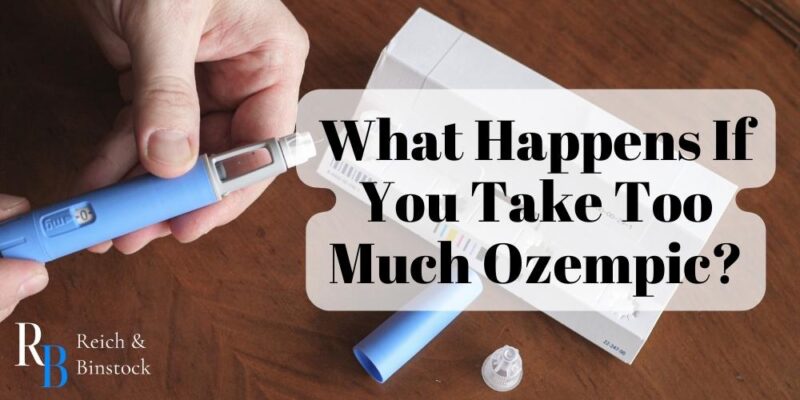
What Happens if You Take Too Much Ozempic?
So, what happens if you take too much Ozempic? Too much semaglutide use can cause serious side effects. The common Ozempic side effects signaling overdose can include:
- Severe vomiting, nause, pain, and diarrhea, often leading to dehydration
- Low blood sugar levels (hypoglycemia), with serious side effects like confusion, sweating, tremors, seizures, or fainting
- Dehydration, which can trigger kidney damage or failure
- Pancreatitis, causing intense abdominal pain and hospitalization
- Prolonged side effects, since Ozempic stays the system for about a week
In recent years, semaglutide overdoses have increased. This is often tied to compounded medications with inconsistent dosing.

Legal Claims Against Novo Nordisk and Eli Lilly
Numerous plaintiffs filed lawsuits against Novo Nordisk and Eli Lilly. These lawsuits claim that both pharmaceutical companies didn’t properly warn about the health risks of their GLP-1 drugs. People are taking drugs from these drug makers. This includes Mounjaro and Zepbound by Eli Lilly, and started with Ozempic and Wegovy manufactured by Novo Nordisk. Then expanded to Ozempic, Rybelsus, and Wegovy. Most Ozempic lawsuits allege patients suffered gastroparesis, bowel obstruction, aspiration pneumonia, psychiatric harm, and vision loss.
Ozempic lawsuits are centralized in multi-district litigation in the Eastern District of Pennsylvania or the New Jersey state courts. However, new lawsuits emerge regularly.
You may be eligible to file an Ozempic lawsuit if you were prescribed a GLP-1 drug either as a diabetes medication or a diabetes and weight loss drug. The strongest claims are supported by medical records showing a clear timeline between starting the medication and developing serious health problems.
Because the Ozempic warning label includes some health risks but omits other health issues, plaintiffs can argue failure to warn.
Eli Lilly’s tirzepatide drugs face the same criticism, since the Mounjaro label lists general gastrointestinal issues but not the severe stomach paralysis or bowel obstruction described in patient reports.
Our Texas Ozempic lawsuit attorneys will build your case using prescription history, charts, and test results. We’ll then use studies and adverse event data to ensure your claim is linked to Ozempic.
Failure to Warn Allegations
Lawsuits against Novo Nordisk and Eli Lilly are built on allegations that both pharmaceutical companies failed to properly warn consumers about the health risks tied to their GLP-1 drugs. The filed lawsuits claim that while labels mention gastrointestinal problems, they omit serious complications. Some of the more serious health complications include gastroparesis, intestinal blockages, aspiration under general anesthesia, psychiatric harm, and vision loss.
A The New York Times report highlighted significant evidence that people using Ozempic and similar drugs experienced long-term gastrointestinal conditions that were not disclosed to them.
JAMA Ophthalmology documented cases of vision loss in semaglutide users caused by non-arteritic anterior ischemic optic neuropathy. Yet neither the diabetes nor the weight loss drug company updated labels, despite additional lawsuits filed over permanent blindness.
These omissions are central to Ozempic lawsuits in multi-district litigation.
Claims for Compounded Semaglutide Drugs Like Ozempic
The Food and Drug Administration maintains a drug shortage list to monitor supply issues. When popular diabetes and weight loss medications hit the drug shortage list, compounding pharmacies can legally manufacture copies. The FDA confirmed the semaglutide injection shortage was resolved. This meant that the other pharmaceutical companies should stop making these versions.
Specifically, semaglutide (used in Ozempic and Wegovy) was removed from the drug shortage list on February 21, 2025, and tirzepatide (found in Mounjaro and Zepbound) was also taken off in late 2024. That removal triggered deadlines.
Patients are now filing lawsuits after being harmed by compounded semaglutide drugs. Ozempic and other semaglutide medications were widely available during the Ozempic and Wegovy shortage. Adverse event reports have already surfaced.
A Bloomberg News investigation detailed that patients prescribed compounded semaglutide drugs ended up in emergency rooms with severe side effects. Others reported major quality control issues. This included contaminated vials or improperly mixed solutions that worsened their conditions. Because the manufacturers’ marketing campaigns alleged Ozempic and other GLP-1 drugs were safe, lawsuits allege patients were misled.
The National Association of Boards of Pharmacy also had serious concerns about patients harmed by compounded semaglutide. They highlighted quality control issues and alleged that 42% sold semaglutide illegally. Patients can use the NABP’s Not Recommended List to determine if their compounding pharmacy is listed.
You may be able to file an Ozempic lawsuit if you took compounded semaglutide and experienced serious complications such as hospitalization for gastrointestinal issues, unexpected psychiatric symptoms, or injury from overdosing or contaminated products.
Contact a Texas Ozempic lawsuit lawyer from our law firm to determine if your lawsuit should be filed against Novo Nordisk, Eli Lilly, or your pharmacy.
Generic Ozempic Lawsuits
Numerous patients were misled into believing they purchased legitimate generics of brand names like Ozempic, Rybelsus, and Wegovy. The FDA has stated clearly that any compounded or online-sold “generic Ozempic” or “generic Wegovy” is not guaranteed to be safe. Because of the shortages, compounding pharmacies and online distributors promoted products as generic versions of brand-name GLP-1 drugs, like Ozempic, Rybelsus, and Wegovy.
The Wall Street Journal reported that such brand-name knockoffs survived FDA crackdowns by exploiting regulatory loopholes. Both Eli Lilly and Novo Nordisk have filed lawsuits accusing telehealth services and medical spas of marketing compounded GLP-1 drugs under misleading brand names.
These Ozempic lawsuits focus on consumer protection violations.
If you purchased what was labeled or marketed as “generic” Ozempic, Rybelsus, or Wegovy and suffered serious health issues or side effects, you can potentially sue. Contact a Texas Ozempic lawsuit attorney to determine if you qualify.
Deceptive Off-Label Marketing
Deceptive marketing campaigns by Novo Nordisk have become a central issue in the Ozempic class action lawsuits. Novo Nordisk received FDA approval to treat diabetes, not for chronic weight management. However, Novo Nordisk has been accused of deploying marketing campaigns to encourage off-label use as a weight loss drug for Ozempic. Wegovy hadn’t received FDA approval at this time.
Other countries, like the UK, have sanctioned Novo Nordisk for promoting Ozempic as a weight loss drug. The UK Advertising Standards Authority and the Pharmaceutical Journal both note that promoting prescription-only weight-loss medicines to the public is unlawful. British Medical Journal reports explain how prescriptions for weight loss drugs surged among non-diabetic patients. A 2024 analysis in BMC Global Public Health indicates hype-driven off-label use tied to social media ads.
In the United States, the Food and Drug Administration warned about selling unapproved semaglutide. Additionally, Harvard’s Petrie-Flom analysis proposed legislation aimed at deceptive online drug ads for off-label use. This was later summarized by The Wall Street Journal.
Lawsuits claim the amount of marketing campaigns promoting off-label use was negligent. Novo Nordisk conducted fewer than 2 years’ worth of studies but heavily marketed Ozempic as a popular diabetes and weight loss drug.
The legal process is straightforward. If marketing materials, social posts, or ads, or website content made patients or doctors believe Ozempic was a safe weight loss drug without balanced risk information. Or, if marketing implied Ozempic and Wegovy had the same results or testing for weight loss, this can support failure-to-warn lawsuits. Our Texas Ozempic lawsuit attorneys can use platform screenshots, pharmacy or telehealth ads, and PMCPA decisions to link the case. Contact our law firm for a free case review to learn more.
Colorectal Cancer
Semaglutide drugs stimulate GLP-1 receptors. A study in Diabetes found that when GLP-1 receptors are triggered in colon tissue, they can change how the lining of the colon grows and develops. Ozempic use causes delayed gastric emptying. So, the colon lining will have longer exposure to bile acids, bacteria, or food chemicals.
A study in Cancer Letters showed that when bile acids accumulate at high levels, this can help tumors form in lab models.
Early animal studies with other drugs, like exenatide, showed that the colon’s lining grew more in rodents. This raised concerns about Ozempic users developing cancer. Later human studies didn’t link Ozempic to colon cancer.
Long-term clinical trials of semaglutide medications reviewed by the European Medicines Agency’s assessment report for Ozempic have not demonstrated an increased incidence of colorectal cancer.
You may be able to file a lawsuit if you took Ozempic and developed colorectal cancer that healthcare providers can link to Ozempic use. Serious side effects to look for include unexplained rectal bleeding, persistent abdominal pain, sudden weight loss, or changes in bowel habits that lead to a cancer diagnosis. If you or a family member developed colon cancer, contact a Texas Ozempic lawyer for a free consultation to discuss taking legal action.

How to Join an Ozempic Class Action Lawsuit or Ozempic MDL Claim
Right now, federal lawsuits for Ozempic and other GLP-1 drugs are consolidated in federal court. Ozempic litigation (MDL) combines similar lawsuits from similar drugs in federal court. The Ozempic MDL only includes the following Ozempic side effects:
- severe gastroparesis or slowed gastric emptying
- ileus (intestinal blockage)
- persistent vomiting and dehydration
- intestinal obstruction and inflammation
You may join the class action lawsuit against Novo Nordisk if:
- You were given Ozempic, Wegovy, or Mounjaro as a prescription drug
- You developed severe injuries named above or were hospitalized for gastrointestinal issues.
- Your records and pharmacy receipts confirm drug use and injury timeline.
- Your Ozempic lawsuit is filed within your state’s statute of limitations.
To join the class action lawsuit against Novo Nordisk, you must retain an Ozempic lawsuit attorney handling GLP-1 drug litigation. The Texas Ozempic lawsuits lawyers at Reich & Binstock will:
- Review your prescription and physician’s records.
- File a short-form complaint in the Ozempic MDL.
- Coordinate discovery and expert testimony with other cases.
In class action lawsuits, all plaintiffs share the global settlement or award. The Ozempic MDL is not a class action lawsuit. This helps victims because your Ozempic settlement is based on your economic damages and non-economic damages. Your Texas Ozempic MDL lawyer will seek financial compensation for medical bills, lost wages, future medical expenses, pain and suffering, and wrongful death damages, if applicable.
Who Qualifies for an Ozempic Lawsuit Individually?
For those looking to file Ozempic lawsuits individually outside of the Ozempic MDL, our Texas Ozempic lawsuit attorneys will focus on proving that the drug caused serious health problems and that the defendant, Novo Nordisk, did not include the risks on the Ozempic warning label. To file an Ozempic lawsuit outside of the Ozempic MDL, you must have the following.
Patients must have proof of an Ozempic prescription to treat type 2 diabetes.
To file Ozempic lawsuits, you must have suffered severe Ozempic side effects outside of the Ozempic MDL. Severe side effects can include:
- Acute pancreatitis
- Pancreatic cancer
- Gallbladder disease (gallstones, gallbladder inflammation, gallbladder removal surgery)
- Kidney failure or injury
- Suffered cardiac arrest, heart attack, stroke, blood clots, such as DVT or pulmonary embolism
- Psychiatric harms such as major depression or suicidal thoughts
- Pregnancy-related injuries, including miscarriage, stillbirth, or birth defects
- Death from Ozempic-related health issues
Patients must have a timeline showing when they began using Ozempic and developed serious side effects.
The serious side effects cannot be included on the Ozempic warning label. For example:
- Pancreatitis is mentioned, but plaintiffs allege the true severity and fatality risk were understated.
- Psychiatric and pregnancy risks are not listed at all.
- Heart attacks and blood clot events are not included on the label despite numerous reports of adverse reactions.
Patients must file Ozempic lawsuits before the Texas statute of limitations expires.
You may qualify to file an Ozempic lawsuit if you suffered major economic damages, such as extended hospitalizations, surgery, lost income, long-term disability, or wrongful death damages for a family member.
Gastroparesis Diagnosis Requirements
- Side effects history: Records of nausea, severe vomiting, bloating, early fullness, and weight loss lasting ≥3 months
- Rule out bowel obstruction: Endoscopy or imaging confirming no intestinal blockages
- Objective testing: Gastric emptying study showing >60% retention at 2 hrs or >10% at 4 hrs
- Supporting evidence: Wireless motility capsule or 13C breath test results
- Medical documentation: Physician notes linking side effects to GLP-1 receptor agonists, plus medical bills, hospitalization records, and treatment history
Ozempic Vision Loss Lawsuit Qualifications
Vision loss and NAION are not listed as risks on the Ozempic warning label.
To file an Ozempic vision loss lawsuit in Texas, you must suffer permanent or significant vision impairment. Patients need:
- Proof you used Ozempic to treat type 2 diabetes.
- A doctor’s diagnosis of vision loss, NAION, or optic nerve damage.
- Records showing vision loss or problems began after starting Ozempic.
You must also file your Ozempic vision loss lawsuit before the statute of limitations expires.
Contact a Texas Ozempic vision loss lawsuit attorney for a free consultation to discuss taking legal action against Novo Nordisk.
Potential Ozempic Lawsuit Settlement Amounts
Potential Ozempic settlement amounts will vary by medical expenses, income losses, and other damages. Several plaintiffs’ lawyers estimate the following:
- Acute pancreatitis or pancreatic injury: $150,000 – $400,000
- Stroke, blood clot, or cardiovascular event: $200,000 – $500,000
- Kidney failure or dialysis: $300,000 – $700,000+
- Gallbladder disease: $100,000 – $300,000
- Severe gastrointestinal injuries: 200,000 – 500,000
These are global settlement estimates only. Patients’ individual Ozempic settlements will vary. Consult a Texas Ozempic lawsuit attorney to discuss your potential Ozempic settlement amount.
Statute of Limitations for Filing an Ozempic Lawsuit in Texas
Generally, you must file an Ozempic lawsuit in Texas within two years of the date of injury or death. The fifteen-year product liability statute of repose also applies. For minors, Ozempic lawsuits are tolled until the patient turns 20. Wrongful death lawsuits are generally not tolled for minor beneficiaries.
Discovery Rule in Ozempic Cases
This is heavily contested. Texas courts apply the discover rule when Ozempic’s side effects were undiscoverable and objectively verifiable. Expect defendants to argue the clock started at first diagnosis, hospitalization, or when you were told the likely cause.
Continuing Treatment Considerations in Ozempic Cases
Texas does not broadly pause deadlines for ongoing treatment. Continued prescribing or follow-up usually does not toll limitations. Limited exceptions like continuing tort or fraudulent concealment exist, but are hard to prove and fact-specific.
How a Texas Ozempic Lawyer Can Help
An Ozempic lawyer can review your prescription records, hospital charts, and diagnostic reports to confirm eligibility. Our Texas Ozempic lawsuit attorneys work with experts to ensure cases are linked to Ozempic. We have extensive experience handling Ozempic lawsuits for gastroparesis, obstruction, pancreatitis, kidney failure, blood clots, and vision loss.
Our Ozempic lawsuit attorneys calculate damages for potential global settlements, including medical bills, lost wages, disability benefits, and future medical expenses. We ensure your lawsuit is filed on time. We handle contested issues with defendants, like Novo Nordisk.
In federal court or Ozempic settlement negotiations, our Texas Ozempic lawsuit lawyers present evidence that Novo Nordisk failed to warn of risks. We fight for substantial compensation to cover financial losses, pain, suffering, and, if applicable, wrongful death damages.
Other Weight Loss Drug and Diabetes Drug Claims We Handle
Our Texas GLP-1 drug lawyers also handle:
- Texas Wegovy lawsuits,
- Texas Mounjaro lawsuits,
- Texas Rybelsus lawsuits.
- Texas Saxenda lawsuits,
- Texas Zepbound lawsuits, and
- Texas Trulicity lawsuits.
Contact a Texas pharmaceutical drug injury lawyer for a free consultation to discuss your case.
Contact Our Texas Ozempic Attorney Team For a Free Consultation
If you or a loved one suffered serious side effects after using Ozempic or another GLP-1 medication, the Texas Ozempic lawsuit attorneys at Reich & Binstock have the resources, federal court experience, and proven track record needed to pursue justice. Reich & Binstock is currently accepting Ozempic lawsuits across the United States. Call 713-622-7271 or fill out our contact form today for a free case review.
There is never a fee unless we recover on your behalf.
Additionally, clients are not obligated to pay expenses if a recovery is not made.